Benin Versus Suriname Two Flags: Spotting the Crucial Differences
If you have ever searched for "Benin Versus Suriname Two Flags," you are far from alone. Their shared use of the striking red, yellow, and green pan-African color palette creates a visual echo that often leaves travelers, designers, and even casual observers guessing. It is a classic case of "looks similar, but vastly different." However, mistaking one for the other can lead to awkward cultural moments, incorrect purchases for events, or flawed educational content. Understanding exactly what sets them apart is not just about being right—it is about respecting the unique identity and story of each nation.
Why the Red, Yellow, and Green Confusion Is So Common
The most common mistake people make is stopping their analysis at the color choices. Without a careful look, it is easy to lump them both into the "pan-African flag" category and move on. The colors themselves are rooted in the same heritage, inspired by the Ethiopian flag and the ideology of the African diaspora. However, stopping here ignores the specific layout, symbolism, and national narratives that make each flag unique. This assumption can affect everything from academic research to the professionalism of a marketing campaign that tries to represent these cultures.
Mistake #1: Ignoring the Layout and Structural Anatomy
The most frequent error is treating them as interchangeable tribands or bicolors. They are structurally distinct once you know where to look. This is the single most important distinction to master.
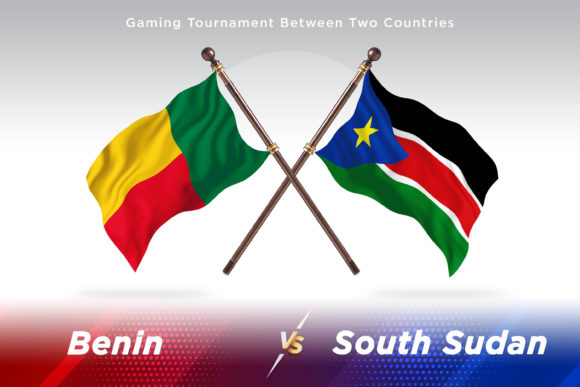
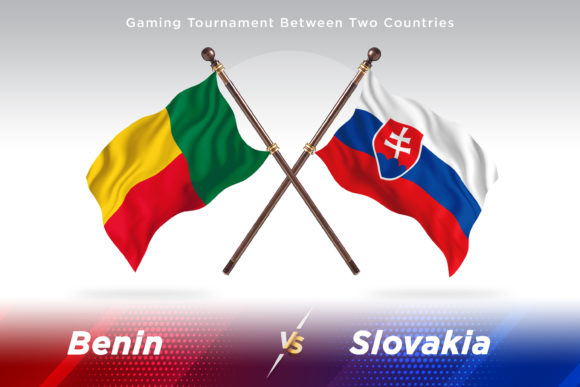
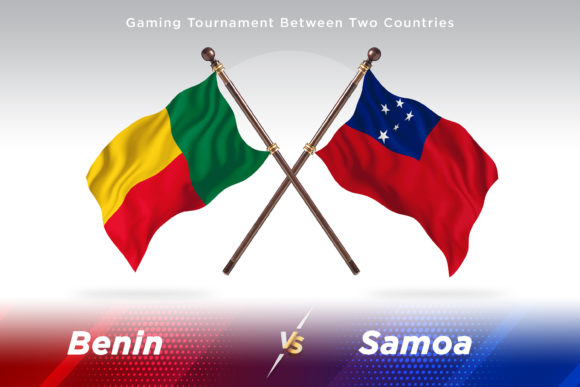
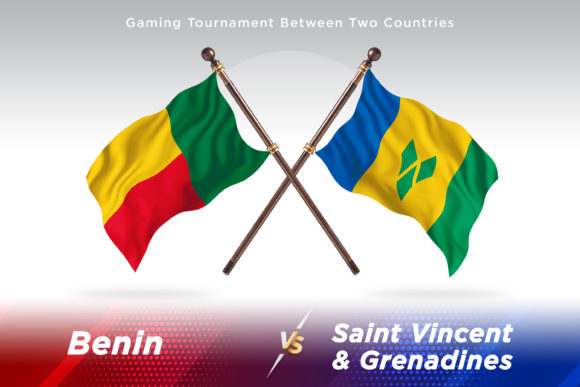
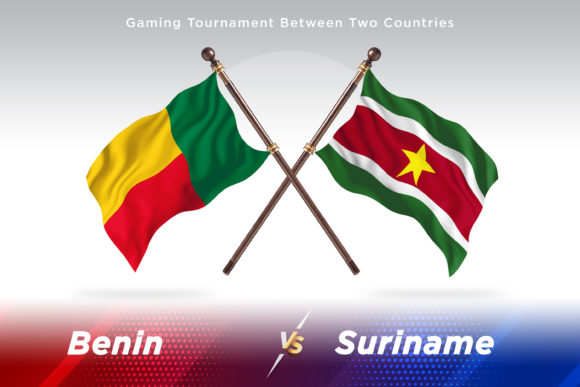
- Benin’s Structure: The flag of Benin is a vertical and horizontal hybrid. The hoist side (the left side) features a solid vertical green band that takes up one-third of the total length. The remaining two-thirds on the right are split into two equal horizontal bands: yellow on the top and red on the bottom. There is no emblem, star, or central device.
- Suriname’s Structure: The flag of Suriname is a classic five-stripe triband. It consists of five horizontal stripes: green (top), white, red, white, and green (bottom). The central red stripe is twice the height of the white and green stripes. At the very center of the red stripe sits a large, five-pointed yellow star.
How to avoid the mistake: Train your eye to look for the star first. If it has a yellow star on a red central band, it is Suriname. If it has a solid green vertical block hugging the pole, it is Benin. Do not just glance at the colors; read the structure.
Mistake #2: Assuming the Symbolism Is Interchangeable
Because the colors are the same, many assume the meanings are identical. This is a disservice to the rich cultural stories of each nation. While there are broad commonalities, the specific symbolism is tailored to each country’s geography, history, and ambitions.
What the Colors Mean for Benin
The green band on the hoist represents the hope of a new beginning and the rich agricultural lands of the south, particularly the palm groves. The yellow band symbolizes the savannahs of the north and the natural wealth of the nation. The red band stands for the courage of the ancestors and the blood shed in the fight for independence from France. The flag as a whole replaced an earlier red-yellow-green vertical triband associated with the Dahomey kingdom.
What the Colors Mean for Suriname
The green stripes in Suriname’s flag represent the fertility of the land, the agricultural sector, and hope. The white stripes symbolize justice, freedom, and peace. The central red stripe stands for love, progress, and the dynamic energy of the people. The yellow star is a powerful emblem of unity, representing a golden future and the sacrifice of those who fought for independence. The star’s five points originally symbolized the five continents from which the population came and the five major ethnic groups living in harmony.
How to avoid the mistake: When presenting or designing around these flags, never use generic pan-African symbolism alone. Anchor your explanation in the specific national narrative. Saying "the green is for hope" is true for both, but pairing it with the specific land features or ethnic unity of each country shows respect and depth.
Mistake #3: Buying the Wrong Flag for Your Event or Project
This is a very practical problem for small business owners, event planners, educators, and decorators. A bulk search for "red yellow green flag" on wholesale websites often returns mixed results. Buyers have reported receiving a Surinamese flag when they needed a Beninese flag, or vice versa. Sellers may mislabel stock photos, or the product image might be too small to show the details.
Consequences of getting it wrong: Displaying the wrong flag at a cultural event, embassy gathering, or international business meeting is deeply unprofessional and can be seen as disrespectful. For educators, teaching with the wrong flag undermines student trust and accuracy.
Practical checklist before you click "buy":
- Verify the country name in the title and description. Do not rely solely on the image.
- Look for the star. If the product description mentions a star, it is Suriname, not Benin.
- Check the green shade. While monitors vary, Suriname typically uses a deeper forest green, while Benin uses a brighter, more kelly green.
- Confirm the proportions. Both are officially 2:3, but a flag with a different ratio (like 1:2) is likely a generic decoration and not an official flag. Buy from reputable dealers who specify "official flag" or "national flag."
Mistake #4: Mishandling Digital Assets and Display Protocols
For designers and creators, the challenge often comes from vector file libraries. Free SVG sites sometimes swap flags or use outdated versions. Benin’s flag has been consistent since 1990, but older designs (like the flag from 1975-1990) had a different green. Suriname’s flag has been consistent since its independence in 1975. Another common mistake is rotating the flag incorrectly.
Display rules to follow:
- Benin: When flown horizontally, the green band must always be on the hoist side (the viewer’s left). If flown vertically from a pole, the green band should still be at the top-left or top of the flag depending on local custom, but it is always best to look up the official vertical display protocol. The yellow must be above the red when the flag is in its standard vertical flying position.
- Suriname: The yellow star must be upright (one point facing directly upward). The star must be perfectly centered on the red stripe. Never rotate the flag so the star is sideways or upside down.
How to avoid the mistake: Always source vector files from official government websites or reputable vexillology sources (like the Flags of the World database). Before using a flag in a high-profile project, compare it against a verified photograph from the country’s embassy.
What This Comparison Teaches Us About Attention to Detail
For marketers, educators, and creators, the exercise of differentiating the Benin and Suriname flags is a masterclass in cultural intelligence. It forces you to move beyond surface-level assumptions. The best global campaigns avoid stereotypes precisely because they focus on these specific details. A good rule of thumb in any international context is to treat national symbols with the same rigor you would treat a corporate brand logo. You would not swap the logos of two different companies just because they both use blue. The same logic applies to flags.
For travelers, knowing the difference is a sign of respect. Walking into a business in Cotonou with a Surinamese flag pin, or confusing the two in conversation, shows a lack of preparation. Learning the flag is a simple, powerful way to show you have done your homework.
A final thought on verification: Before you use, buy, or present either of these flags, take two minutes to run a side-by-side comparison. Look for the star. Look for the vertical band. These small checks prevent big mistakes. The flags of Benin and Suriname are both beautiful, meaningful symbols of their people. By respecting the layout, understanding the unique symbolism, and verifying your sources, you move from casual confusion to genuine appreciation. Next time you see a red, yellow, and green flag, take that second look. The details matter, and now you know exactly what to look for.