Belarus Versus Nigeria Two Flags
Flags tell stories that go far beyond cloth and color. When you place the flag of Belarus next to the flag of Nigeria, you see two very different visual languages, each laden with history, values, and national identity. Understanding what these flags represent — and how they compare — offers practical insights for designers, marketers, business owners, and anyone who communicates across cultures. In a world where flags appear on social media profiles, product packaging, and international conference rooms, knowing the stories behind the symbols is more relevant than ever.
What Each Flag Represents: Design, History, and Symbolism
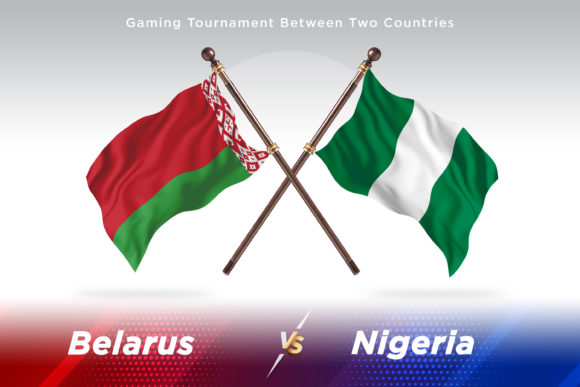
Belarus’s current state flag was officially adopted in 2012, though its roots go back to the 1950s Soviet era. It features a broad red horizontal stripe at the top, a narrower green stripe at the bottom, and a vertical white-and-red ornamental pattern on the hoist side. The red recalls past battles and the nation’s resilience, while green stands for forests and fields. The ornament pattern — a traditional Belarusian embroidery design — signifies cultural heritage, unity, and the continuity of folk art. Many Belarusians also identify with the white-red-white flag used by the pre-Soviet government and by the democratic opposition today, but the official state flag is the one used in government and international contexts.
Nigeria’s flag, designed by Michael Taiwo Akinkunmi and adopted in 1960, is a vertical tricolor of green-white-green. The green bands represent the country’s lush vegetation and agricultural wealth, while the central white stripe symbolizes peace and unity. It is one of the simplest yet most elegant national flags in the world, instantly recognizable and deeply meaningful. The design deliberately avoids any complex imagery to reflect the nation’s hope for a straightforward, peaceful future after colonial rule.
Comparing the Flags: More Than Just Colors
At first glance, the two flags share the color green, but the shade and context differ. Belarus uses a deep, forest green alongside red, while Nigeria uses a bright, vibrant green as a primary band. The Belarusian flag includes a distinctive ornamental ribbon, which makes it stand out among national flags. Nigeria’s flag lacks any additional symbols — a conscious choice that emphasizes purity of purpose.
- Color symbolism: Both flags use green to evoke nature and growth, but Belarus’s green is tied to its dense woodlands, whereas Nigeria’s green highlights agriculture and natural resources.
- Cultural markers: The Belarusian ornamental pattern is a direct link to Slavic folk traditions and was originally used as a symbol of unity among the Belarusian Soviet Socialist Republic. Nigeria’s flag has no such pattern, relying instead on the balance of colors to convey national ideals.
- Historical resonance: Belarus’s flag has undergone multiple changes — from the Soviet-era version to the current one — reflecting its complex political journey. Nigeria’s flag has remained unchanged since independence, a testament to the country’s commitment to the original vision of peace and unity.
- Global recognition: Nigeria’s tricolor is one of the most familiar African flags, often used in sports, diaspora events, and branding. Belarus’s flag, while widely known in Eastern Europe and among expatriates, is sometimes overshadowed by the alternative white-red-white flag used by pro-democracy movements.
Why This Comparison Matters Today
In an era of global business and digital communication, flags appear everywhere — from Zoom backgrounds to product labels to virtual events. For entrepreneurs and marketers, understanding the symbolic weight of a country’s flag can make or break cross-cultural interactions. A Belarusian company collaborating with a Nigerian partner may unknowingly choose colors or symbols that carry unintended meanings. Conversely, a Nigerian creative designing for an international audience might look at Belarus’s flag to explore how traditional patterns can modernize a brand identity without losing cultural authenticity.
Content creators and educators also have a growing interest in flag symbolism. Explaining the differences between two flags is not just trivia; it helps audiences grasp how nations construct identity. When you compare Belarus Versus Nigeria Two Flags side by side, you open a window into contrasting approaches to national representation: one deeply ornamental and historically layered, the other deliberately minimalist and forward-looking.
For Marketers and Business Owners
When expanding into new markets, flag imagery can be a shortcut to national pride, but also a potential minefield. Nigeria’s flag, with its clean design, often works well in global campaigns that emphasize peace, growth, and vitality. The green-white-green palette is also relatively easy to adapt into brand color schemes. Belarus’s flag, however, carries political connotations. Its ornamental band is specifically linked to state-approved heritage, and using it incorrectly (or confusing it with the alternative flag) could signal either a lack of cultural awareness or a political stance. Marketers working in the region should research current usage and sensitivity around both flags.
For Designers and Visual Artists
The ornamental pattern on Belarus’s flag offers a rich source of inspiration for textile design, pattern creation, and branding elements. However, it is a protected national symbol, and its commercial use should be respectful and accurate. Nigeria’s flag, by contrast, is simpler but challenges designers to convey meaning through proportion, shade, and typography. Comparing the two flags can teach designers how different cultural priorities lead to different visual solutions — complexity versus simplicity, horizontal versus vertical emphasis, traditional versus modern iconography.
For Educators and Content Creators
A comparative video or blog post about Belarus and Nigeria flags can be an engaging way to discuss geography, history, and design principles. The contrast between the two flags is stark enough to spark curiosity, and the underlying stories provide rich material. For example, you could explore why Belarus chose to retain a Soviet-influenced flag while Nigeria designed a completely new one at independence, or how both countries use green to symbolize different aspects of their natural environment. Such content resonates with audiences interested in culture, global affairs, and visual literacy.
Evolving Perceptions of National Flags
In the past, flags were primarily used by governments and in official ceremonies. Today, they are part of everyday life — on phone cases, clothing, emoji keyboards, and social media bios. This democratization means that the meaning of a flag can shift as different groups adopt or reinterpret it. Belarus’s flag, for example, has become a symbol of the current government, while the alternative white-red-white flag is associated with opposition movements. Nigeria’s flag, on the other hand, has consistently been a unifying emblem, even during periods of political strife. For anyone using either flag in content or design, understanding these nuances is essential to avoid misrepresentation.
Another trend is the use of flag aesthetics in branding. Minimalist flag designs like Nigeria’s tend to blend well with modern corporate styles, while ornate flags like Belarus’s can add a sense of tradition and handcrafted quality. Some brands have even incorporated Belarusian embroidery motifs into their packaging for a local, artisanal feel. Recognizing these applications helps entrepreneurs and designers make informed creative choices that respect cultural origins.
Realistic Recommendations for Engaging with Both Flags
- Always verify current symbolism: Flags can carry political or regional nuance. Before using either flag in a professional project, check its official representation and any alternative versions that may be more culturally sensitive in specific contexts.
- Use high-quality, official images: For Nigeria, use the standard tricolor with precise Pantone shades. For Belarus, ensure the ornamental pattern is rendered correctly — small errors can change the meaning.
- Consider the audience: A global audience in a creative field will appreciate the story behind the design. A local audience in either country will expect accuracy and respect. Tailor your use accordingly.
- Explore flag-inspired design, not reproduction: If you are creating a logo or pattern, drawing inspiration from the flag’s elements (colors, layout, motifs) is often more appropriate than copying the flag directly. This avoids legal issues and cultural appropriation.
- Educate your team or clients: If you work with international colleagues, take a moment to share what the flags represent. This fosters deeper cultural understanding and can improve collaboration.
Final Reflections
The comparison between Belarus and Nigeria is not just an exercise in design analysis — it is a reminder that every nation tells its story differently. One flag weaves tradition into its very fabric, while the other strips away everything except the essential. Both approaches have power, and both have practical applications in today’s interconnected world. Whether you are building a brand, creating content, or simply learning about the world, understanding what Belarus Versus Nigeria Two Flags symbolize helps you see beyond the surface. The next time you see a flag, ask yourself: What story is it telling? How does it compare to others? That curiosity is the foundation of cultural insight, and it starts with looking closely at two flags side by side.