Belarus vs Romania: Two Flags Compared
Flags are more than just pieces of fabric. They represent identity, history, and the values of a nation. At first glance, the flags of Belarus and Romania might seem unrelated — one features a red-and-green horizontal design with an ornate ornament, the other a vertical blue-yellow-red tricolor. Yet comparing them reveals fascinating contrasts in symbolism, design philosophy, and cultural storytelling. Whether you're a traveler, a designer, a student of geopolitics, or simply curious about world flags, understanding what each banner communicates can deepen your appreciation for how nations choose to represent themselves.
What Makes Each Flag Visually Distinct
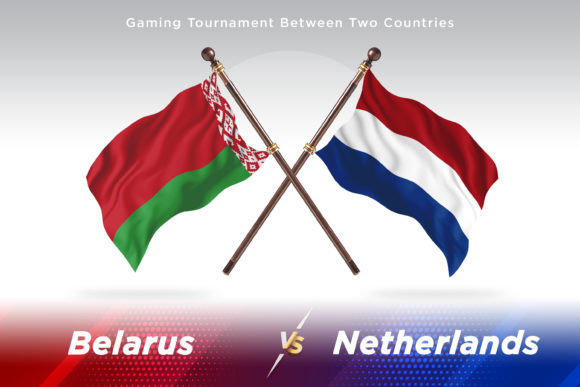
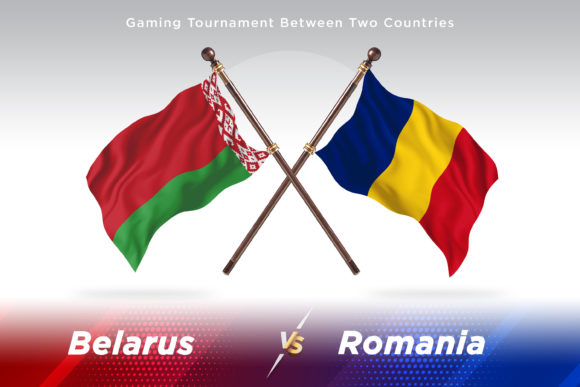
The current flag of Belarus, adopted after a 1995 referendum, consists of two horizontal stripes — a wide red upper band and a narrow green lower band. On the left side, a vertical white-and-red ornamental pattern runs along the hoist. This pattern, often called the Belarusian national ornament, is rich with folk symbolism. Red has long been associated with courage and the country's Soviet past, while green represents hope, renewal, and the country's forests and fields.
Romania's flag, by contrast, is a vertical tricolor with three equal bands: blue on the hoist side, yellow in the center, and red on the fly side. The design dates back to the mid-19th century, with roots in the Wallachian and Moldavian revolutionary movements. Blue symbolizes liberty and the sky, yellow stands for justice and the country's agricultural wealth, and red represents the blood of patriots and fraternity. The overall look is clean, modern, and immediately recognizable across Europe.
For someone encountering these flags side by side, the most obvious difference is layout. Belarus uses a horizontal format with a unique ornamental element, while Romania follows a classic European tricolor pattern. This contrast already tells you something about each country's visual priorities: one leans into folk heritage and continuity, the other into revolutionary ideals and modern statehood.
Historical Journeys Behind the Designs
Belarus's flag has undergone several transformations. During the early Soviet era, a different design was used, and after independence from the Soviet Union in 1991, Belarus briefly adopted a white-red-white flag associated with the pre-Soviet Belarusian People's Republic. But in 1995, a national referendum reinstated a modified version of the Soviet-era flag — keeping the red-and-green base while adding the ornamental band. This shift was controversial, but supporters argued it preserved a link to the country's industrial and wartime heritage. For critics, it represented a step away from democratic reform. Today, the flag remains a subject of public debate, with the white-red-white variant still used by opposition groups.
Romania's flag has a more linear history. The vertical tricolor was officially adopted in 1848 during the Wallachian Revolution, inspired by the French tricolor and the ideals of liberty, equality, and fraternity. During the communist era, the flag included a coat of arms with socialist imagery, but after the fall of Nicolae Ceaușescu in 1989, the coat of arms was removed, returning the flag to its simpler tricolor form. The 1989 revolution was famously symbolized by protesters cutting the communist emblem out of flags — leaving a distinctive hole in the center. Today, that clean tricolor represents Romania's democratic identity and its place within the European Union and NATO.
Understanding these histories helps explain why someone might be drawn to one flag over the other. The Belarusian flag speaks to continuity and resilience, while the Romanian flag embodies revolutionary change and European alignment.
Why Compare These Two Flags?
You might wonder: why put Belarus and Romania side by side? The comparison is not arbitrary. Both nations are Eastern European, both have experienced communist rule, and both have flags that carry deep emotional and political weight. But their design choices reveal different national priorities. For designers, marketers, and educators, studying these two flags offers a practical lesson in how visual identity can communicate ideology, history, and cultural values without a single word.
For example, if you're teaching a class on European symbolism, the Belarus-Romania comparison helps students see how flag design can signal alignment with or rejection of a political past. If you're a graphic designer working on a branding project for a cultural institution, analyzing the ornamentation on the Belarusian flag versus the simplicity of the Romanian tricolor can inspire decisions about complexity versus minimalism in logos and emblems.
Entrepreneurs and small business owners involved in international trade or tourism may also find value in understanding these flags. Knowing the cultural weight behind a flag can help you avoid missteps in marketing materials, product packaging, or event branding targeting audiences from either country. A design that uses the Romanian tricolor casually might be seen as patriotic or respectful, while misusing the Belarusian ornamental pattern could come across as culturally insensitive.
Practical Use Cases in Everyday Life
For travelers and bloggers, recognizing and respecting national flags is a basic skill that builds trust. If you're writing a travel piece about Eastern Europe, mentioning the flags of Belarus and Romania with accurate context adds credibility. You might describe how the Romanian flag flutters above medieval castles in Transylvania or how the Belarusian flag is displayed during Independence Day celebrations in Minsk. These details make your content richer and more engaging for readers.
For educators and freelancers creating presentations or online courses, a side-by-side flag comparison can serve as a visual anchor for broader lessons on Eastern European history, political science, or cultural studies. You can use the flags as entry points to discuss topics like national identity, post-Soviet transitions, and European integration.
Hobbyists and collectors who enjoy vexillology — the study of flags — often compare designs like these for personal enjoyment. The Belarusian flag offers intricate folk patterns that are satisfying to draw or reconstruct, while the Romanian flag's simple geometry is easy to replicate but rich in meaning. Both provide rewarding study for anyone who loves the art of symbols.
Important Considerations Before Using or Referencing These Flags
If you plan to use either flag in a professional or creative context, there are a few things to keep in mind. First, be aware that flag usage can carry political connotations. The Belarusian flag, especially the 1995 version, is officially sanctioned but also contested. Using it in a neutral or positive context may be interpreted differently by different audiences. If you're creating content for an international audience, it's wise to acknowledge both the official flag and the alternative white-red-white variant if the topic requires balance.
Second, respect design integrity. The ornamental pattern on the Belarusian flag is not arbitrary — it is a traditional folk motif with specific geometric rules. When reproducing it, use accurate references. Similarly, the Romanian tricolor has exact proportions and color shades (blue, yellow, red). Using the wrong hues or stretching the bands improperly can look unprofessional and disrespectful.
Third, consider legal restrictions. Both countries have laws governing flag use, especially in official or commercial settings. In Romania, for instance, the flag must not be altered or displayed in a degraded state. In Belarus, unauthorized modification of the state flag can lead to legal consequences. If you're producing merchandise, digital assets, or printed materials, consult local regulations or work with a legal expert familiar with international flag codes.
Finally, for marketers and bloggers, avoid using flags purely as decorative clip art. Flags carry weight. If your content references Belarus or Romania in a substantive way — such as discussing travel destinations, business partnerships, or cultural events — the flag can reinforce your message. But using it without context or as a generic "European" symbol may come across as lazy or tone-deaf.
Bringing the Comparison Into Your Own Work
Whether you're designing a lesson plan, writing an article, or building a brand identity, the Belarus versus Romania flag comparison offers a tangible example of how visual symbols encode complex stories. For instance, you could create an infographic showing how the two flags evolved over the 20th century, highlighting key design changes alongside political shifts. Or you might use the contrast between the ornament-rich Belarusian flag and the minimalist Romanian tricolor as a case study in design philosophy — asking your audience what each approach says about national character.
For personal projects like a travel blog or a YouTube channel about world cultures, featuring flags with thoughtful commentary helps you stand out. Instead of just showing the flags, you can explain what the colors mean in each country, how citizens feel about their flag, and how the flag appears in daily life — on government buildings, at sports events, or during national holidays.
For entrepreneurs and small business owners expanding into Eastern European markets, understanding flag symbolism can be part of broader cultural competence. It shows respect and attention to detail that local partners and customers notice. Something as simple as using the correct flag emoji in an email signature or on a website's contact page can signal that you've done your homework.
Final Thoughts on Two Flags, Many Meanings
Flags are mirrors of national identity, reflecting both pride and tension. The flags of Belarus and Romania, though different in every visual aspect, both tell powerful stories about how countries navigate their histories and aspirations. For anyone curious about the world — whether you're a student, a creative professional, or a casual traveler — taking the time to compare and understand these symbols adds depth to your perspective. The next time you see the red-and-green of Belarus or the blue-yellow-red of Romania, you'll see not just colors and shapes, but the weight of history, the contours of national pride, and the quiet conversations that flags continue to have with the world around them.