Belgium Versus Estonia: Two Flags Compared
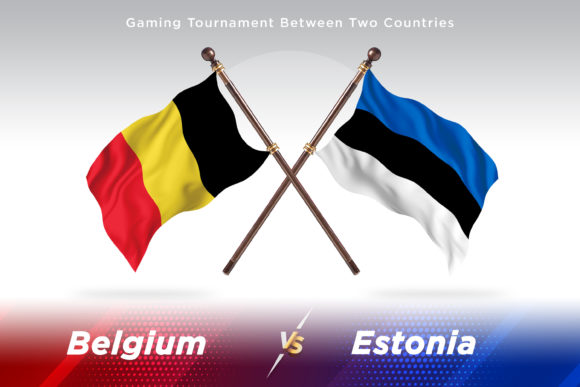
Flags are more than fabric—they’re shorthand for a nation’s identity, history, and values. When you place the flags of Belgium and Estonia side by side, the first thing you notice is the color palette: both use black, yellow (or gold), and white or red. But the similarities stop there. The Belgian flag is a vertical tricolor of black, yellow, and red; the Estonian flag is a horizontal tricolor of blue, black, and white. For anyone encountering these two flags together—whether you’re a traveler, a designer, a business owner, or just curious—understanding their differences and stories matters in surprisingly practical ways.
What the Flags Look Like and Why
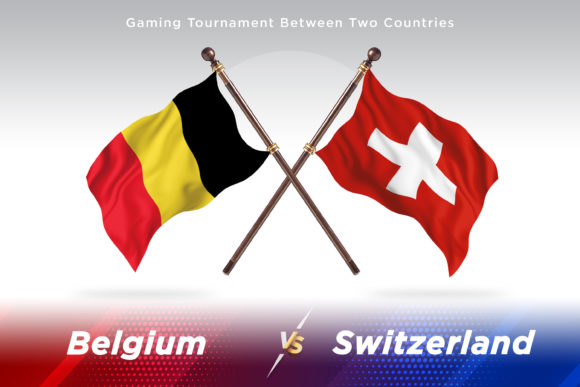
Belgium’s flag features three vertical bands of equal width: black on the hoist side, yellow in the center, and red at the fly. Adopted in 1831 after the country gained independence, the colors were taken from the coat of arms of the Duchy of Brabant—a yellow lion with a red tongue and claws on a black background. The vertical design was inspired by the French tricolor, symbolizing liberty and unity.
Estonia’s flag is horizontal: blue at the top, black in the middle, and white at the bottom. It dates back to the national awakening in the late 19th century and was officially adopted in 1918 when Estonia declared independence. Blue represents the sky and the country’s lakes; black stands for the soil and the people’s struggles; white symbolizes hope and the winter snow. The horizontal pattern is typical of Baltic and Nordic flags, reflecting a different design tradition.
Why Different Audiences Care About These Two Flags
At first glance, the comparison might seem trivial. But depending on your role or interest, the differences can influence creative decisions, learning opportunities, or even branding choices. Let’s look at how various people might approach this contrast.
Graphic Designers and Creatives
If you’re a designer working on a multicultural project—say, a travel brochure, a comparative infographic, or a poster for an international event—you need to get the flag details right. The direction of stripes (vertical vs. horizontal) changes the visual weight and balance. Belgium’s vertical stripes create a strong, upward thrust that feels formal and structured. Estonia’s horizontal bands are more calming and open, evoking a landscape. A designer might choose to emphasize one over the other based on the mood they want to convey. Also, note that the Belgian flag is almost square (proportion 13:15), while Estonia’s is closer to a standard rectangle (7:11). Neglecting these dimensions in a layout could ruin the professionalism of your work.
Travelers and Tourists
If you’re planning a trip to Brussels or Tallinn, recognizing which flag is which can prevent embarrassing moments. Belgium’s flag is everywhere—on government buildings, at the airport, and during festivals. Estonia’s flag is equally prominent but easier to confuse with other Baltic flags if you glance quickly. Travelers sometimes mix up the ordering: black-yellow-red vs. blue-black-white. A simple memory trick: Belgium’s colors match a slightly faded version of the German flag but vertical; Estonia’s colors are like the sky, soil, and snow. For a practical example, when visiting the Grand Place in Brussels, you’ll see the Belgian flag flying. In Tallinn’s Toompea Castle, you’ll see the blue-black-white. Knowing the difference helps you navigate cultural cues and even avoid buying the wrong souvenir keychain.
Entrepreneurs and Small Business Owners
If your business operates internationally or you’re creating marketing materials for a diverse audience, using flags correctly shows respect and attention to detail. For instance, if you run an e-commerce store that sells flag-themed merchandise, you need to offer both designs with accurate specifications. A small business owner organizing a “European culture night” might decorate with both flags—but placing a horizontal Estonian flag next to a vertical Belgian flag without proper alignment can look sloppy. Additionally, the choice of flag proportions matters for printing: Belgian flags often come in a less common ratio, so ordering custom sizes requires careful checking. Understanding these nuances helps you avoid costly mistakes and build trust with customers from both countries.
Educators and History Buffs
Teachers can use the comparison of these two flags to illustrate different paths to nationhood. Belgium became independent in 1830, influenced by revolutionary France; its flag borrows the tricolor concept but uses local heraldic colors. Estonia’s flag emerged from a 19th-century national movement, with colors rooted in nature and folklore rather than heraldry. This contrast makes for a compelling lesson on how geography, political history, and cultural identity shape symbols. A history teacher might ask students: “Why did Belgium choose vertical stripes while Estonia chose horizontal?” The answer touches on French revolutionary influence vs. Nordic and Baltic traditions. For a hobbyist historian, comparing the flags deepens the appreciation of each country’s journey.
Consumers and Hobbyists
Even if you just collect flags as a hobby, the material and construction can differ. Belgium’s flag is often made with heavier fabric to withstand rain in Western Europe; Estonia’s flag might be lighter because it’s used both indoors and out. A collector would note that legitimate Belgian flags should have the black stripe on the hoist side (left), while Estonian flags always have blue on top. Authenticity matters—some low-cost versions swap colors or proportions. If you’re buying online, look for descriptions that mention the exact Pantone or CMYK values: Belgium’s red is close to “Pantone 186 C”, Estonia’s blue is “Pantone 285 C”. Knowing these details helps you get the real thing.
Priorities: What Matters Most for Each Type of Use
Different situations emphasize different aspects of the flag comparison. For a graphic designer, the priority is accuracy of color and proportion—cost matters little if your design is off. A traveler prioritizes recognizability: can I tell them apart from a distance? A business owner cares about reliability of sourcing: can I get both flags printed consistently? An educator values the learning value: how do these flags tell a bigger story? And a collector focuses on quality and authenticity. There’s no single “best” flag; it depends on what you’re trying to do.
Practical Examples Across Scenarios
Imagine you’re a freelance marketer preparing a campaign for an event called “European Summer,” where you need to feature multiple flags in a banner. You decide to place Belgium and Estonia side by side. You set both flags to the same height, but Belgium’s width is slightly less because of its squarer proportion. If you don’t adjust, the Belgian flag will look narrower, throwing off symmetry. A quick fix is to use a container that scales height uniformly while allowing variable widths. This subtle adjustment shows professional attention.
Now consider a small business owner importing goods: you want to print Belgian and Estonian flags on packaging for a limited-edition “Baltic-Benelux” product. You need to ensure the flags are oriented correctly—horizontal flags can be rotated 180° and still look correct (blue always on top when displayed vertically), but vertical flags cannot be rotated without inverting the color order. Including a style guide with your order prevents production errors.
For an educator, you might create a side-by-side chart showing the year of adoption (1831 vs. 1918/1990), the meaning of each color, and the design influences. That visual comparison helps students quickly grasp how two flags that share a black stripe can be worlds apart in symbolism.
How to Decide If This Comparison Fits Your Goals
Ask yourself: Do you need to represent both countries accurately? Are you comparing design styles? Teaching about nationalism? Or simply trying to avoid confusion when travelling? If you’re a creator, you’ll benefit most from understanding the technical specs. If you’re a professional like a diplomat or event planner, you need cultural context. For hobbyists, the stories behind the flags are the real reward. Beginners might start by learning to identify each flag by its most prominent difference: Belgium has three vertical stripes and no blue; Estonia has three horizontal stripes with blue on top. That single rule covers 90% of practical use.
The comparison of Belgium and Estonia’s flags is not about which one is better. It’s about recognizing that a few small rules—orientation, color order, proportion, and history—make a big difference in how flags are used and perceived. Whether you’re designing a website, packing for a trip, teaching a class, or sourcing products, reading the details correctly builds credibility and shows respect. Next time you see a black-yellow-red vertical stripe, you’ll think of Belgium. And when those blue, black, and white horizontal bands catch your eye, you’ll know Estonia’s story is right there in the fabric.