Benin Versus Cambodia Two Flags: A Practical Guide for Creators and Professionals
At first glance, the flags of Benin and Cambodia don’t seem like obvious candidates for a side-by-side comparison. One represents a West African nation celebrated for its democratic resilience and Vodun heritage. The other is a Southeast Asian kingdom defined by the ancient grandeur of Angkor Wat and a complex modern history. Yet, for creators, educators, and business owners working in a globally connected market, understanding the nuances of these two distinct national flags reveals a lot about design philosophy, cultural storytelling, and practical application. Whether you are designing a multicultural presentation, launching a product line, or teaching a geography lesson, knowing the ins and outs of Benin versus Cambodia two flags is far more useful than you might expect.
A Tale of Two Designs: Why This Comparison Matters
The main reason anyone searches for Benin versus Cambodia two flags usually falls into a handful of specific scenarios. A graphic designer might be putting together a composite graphic for an international sports event or a cultural festival. A marketer could be running a campaign that targets audiences in both regions, or a teacher might be preparing content that contrasts African and Asian symbolism. Understanding the "why" behind the comparison helps you focus on the right details. For most people, it boils down to a core question: how do these flags function in real-world use—in print, on screen, and as teaching tools?
The answer depends heavily on two factors: design complexity and symbolic weight. Benin’s flag is a lesson in minimalism. Cambodia’s flag is an exercise in intricate storytelling. Both are effective, but they suit wildly different contexts and technical limitations.
The Benin Flag – Built for Impact
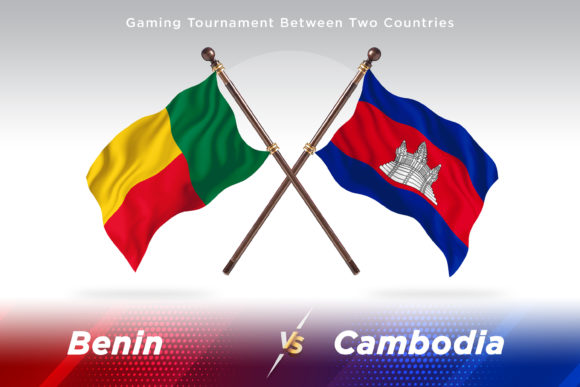
The national flag of Benin features two horizontal yellow and red bands on the fly side, with a vertical green band at the hoist. Three colors, clean geometry, no emblems. It was originally adopted in 1959 and reinstated in 1990 after a period of Marxist-Leninist rule. For a small business owner printing flyers or a merch designer screen-printing t-shirts, this simplicity is a massive asset. Colors are easy to match, difficult to misprint, and instantly recognizable even at a very small scale. The green represents hope, the yellow represents wealth, and the red represents the courage of the ancestors. It communicates a clear, unified identity without relying on fine details.
The Cambodia Flag – Built for Detail
The current flag of Cambodia features a red field with a large blue band on the top and bottom. In the center, it proudly displays a white depiction of Angkor Wat. This is one of the only national flags in the world to feature a building as its central charge. For an educator, this immediately opens a conversation about Khmer history, Buddhist symbolism, and national pride. For a video editor or web developer, however, it presents a real technical challenge. The Angkor Wat emblem is complex. On a small web icon or a low-resolution video thumbnail, the details of the temple blur into a white smudge. The specific shades of blue and red also need to be precise to look official. This contrast between Benin’s minimalism and Cambodia’s intricate detailing is the core of the comparison.
For Educators and Bloggers
If you teach comparative government, world history, or cultural studies, flags are a powerful entry point. The Benin flag reflects a break from colonial rule and a return to democratic principles after a period of authoritarianism. The Cambodia flag reflects a constitutional monarchy deeply tied to Buddhist and royal traditions. When you put them side-by-side, it is not just colors and shapes—it is a visual summary of two very different national journeys. A blogger writing a post about "Flags and Their Histories" can use this pairing to show how geography and politics shape visual identity. The Benin flag tells a story of Pan-African solidarity, while the Cambodia flag tells a story of heritage and endurance.
For Designers and Printers
Let’s say you are launching a "World Flags" sticker pack or a set of travel mugs. The Benin flag will print flawlessly at any size. The Cambodia flag, depending on the size of the mug or sticker, might require a high-quality print run to ensure the Angkor Wat detail looks recognizable. This directly affects your cost per unit and your supplier selection. A savvy entrepreneur knows that complex flags like Cambodia’s require larger canvas sizes or more expensive printing techniques to look professional. For a small brand selling enamel pins, Benin’s flag is a dream to produce. Cambodia’s flag would need a larger pin size and careful die-casting to capture the temple architecture.
For Web Developers and UI Designers
Bloggers and web publishers often use flags in navigation menus or location tags. A 16x16 pixel flag icon for Benin works perfectly—the green, yellow, and red bars are distinct and readable. The same size for Cambodia’s flag is usually a blurry, indistinguishable mess. If you are building a travel website or a global e-commerce platform, you need to make a conscious decision. Do you use simplified versions of complex flags? Do you rely on text labels alongside them? This is a genuine, everyday technical limitation that favors flags like Benin’s. For Cambodia, you might need to allocate more screen real estate or use a higher resolution sprite, which impacts load times and layout consistency.
Branding Lessons Hidden in Plain Sight
Both flags offer masterclasses in branding, something every creator and small business owner can learn from. Benin’s flag uses widely recognized Pan-African colors (green, yellow, red) to instantly communicate unity and identity within a global context. It is bold, straightforward, and inclusive. Cambodia’s flag uses its most famous landmark as a symbol of historical prestige and cultural tourism. It tells a story of resilience and artistic achievement. The lesson here is strategic: Benin builds brand recognition through simple, powerful associations and a consistent color palette. Cambodia builds it through distinctive, complex storytelling and a unique icon. Both approaches work, but they suit different audiences, budgets, and mediums. When building your own brand, ask yourself: are you a Benin (simple, bold, scalable) or a Cambodia (detailed, story-driven, best in larger formats)?
Accuracy Is Non-Negotiable
Always use official flag dimensions and colors. The Benin flag has a specific ratio of 2:3, and the vertical green band should take up exactly one-third of the width. The Cambodia flag also uses a 2:3 ratio, but it has strict guidelines on the thickness of the blue bands and the precise depiction of Angkor Wat. Using the wrong proportions or colors looks unprofessional and can be disrespectful. For official specs, consult reputable sources like the CIA World Factbook or government portal sites.
Cultural Sensitivity and Respect
Flags are sacred symbols in many contexts. In Cambodia, disrespecting the flag is a legal offense, and it is treated with deep reverence. In Benin, the flag represents a hard-won democracy and is a source of national pride. When using these flags in commercial or creative projects, ensure the context is respectful. Avoid overlaying text directly on the flag or using it in a way that implies political endorsement or mockery. If you are selling merchandise, ensure the flag is represented accurately and not distorted for artistic effect in a way that might offend.
Technical Limitations
Scale matters. Benin’s flag works at any size. Cambodia’s flag requires a minimum size to be recognizable. If you are creating a small icon, a social media avatar, or a favicon, consider using a simplified version or a text label alongside it. For video production, think about how the flag will look in a thumbnail or a lower-third graphic. The complex white lines of the Angkor Wat temple need contrast and resolution to be legible.
Who Gets the Most Value From This Comparison?
Freelance Graphic Designers: You learn to anticipate client needs regarding scalability and cultural accuracy. You can advise clients on when to use a simplified emblem versus the full flag design.Marketers and Brand Strategists: You understand that using a complex flag like Cambodia’s in a small ad space on social media is a bad idea, whereas Benin’s works perfectly. This knowledge helps you design better international campaigns.
Educators and Publishers: You get a tangible example of how geography, history, and politics shape visual identity. This pairing is a ready-made lesson in contrast and symbolism.
Small Business Owners and Entrepreneurs: If you are sourcing products internationally, knowing how a supplier handles complex flag designs tells you a lot about their quality control and attention to detail.
Content Creators and Bloggers: You understand which visuals will resonate with your audience. A minimalist flat design (Benin) appeals to modern aesthetic sensibilities, while a detailed iconic image (Cambodia) appeals to a sense of history and travel.
The next time you encounter a flag, whether it is the bold horizontal bands of Benin or the iconic temple of Cambodia, you will see more than just a national symbol. You will recognize a set of design choices, a story of cultural values, and a practical tool for communication. For anyone building a brand, teaching a class, or creating content, comparing contrasting designs like these is a genuinely productive exercise. It sharpens your eye for detail, your respect for context, and your understanding of how visual communication actually works in the real world. Whether you are dealing with Benin versus Cambodia two flags, or any other pairing, the principle remains: look deeper, design smarter, and always consider the canvas.