Benin Versus Ethiopia Two Flags: Design, Symbolism, and What They Reveal About National Identity
Flags are rarely just pieces of cloth. They are visual shorthand for a nation's history, values, and aspirations. When you compare the flags of Benin and Ethiopia, you are looking at two distinct stories that converge on a shared continent yet diverge in colour philosophy, historical weight, and cultural resonance. For designers, marketers, educators, and travellers, understanding these differences goes beyond trivia; it offers a practical lens into how national identity is constructed, communicated, and consumed in a globalised world.
A Tale of Two Visions: Contrasting the Visual Identities of Benin and Ethiopia
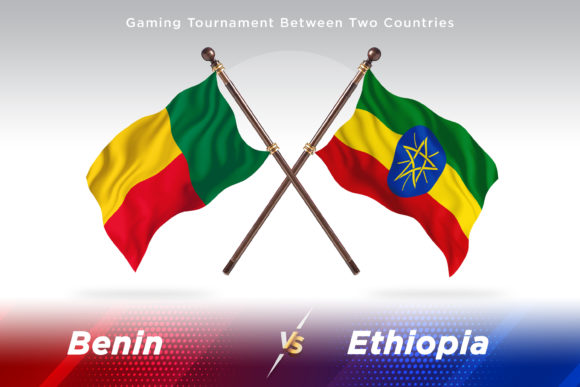
On first glance, both flags use a palette that feels distinctly African: green, yellow, and red are central to each. But the arrangement, symbolism, and historical context set them apart in meaningful ways. The flag of Benin features a vertical green band on the hoist side, with two equal horizontal bands of yellow and red on the fly. Ethiopia's flag, by contrast, is a horizontal tricolour of green, yellow, and red, with a central blue circle bearing a yellow star and rays.
Benin's design is direct and uncluttered. The green represents hope and the southern palm forests, yellow stands for the country's natural resources and the savannahs of the north, and red symbolises the blood of those who fought for independence. Ethiopia's tricolour carries its own weight: green for the land and hope, yellow for peace and harmony, and red for strength and the sacrifice of ancestors. The central emblem, added later, represents unity, diversity, and the bright future of the nation.
For a brand strategist or a creator looking for inspiration, the contrast between simplicity and emblematic complexity is instructive. Benin's flag communicates clarity and directness. Ethiopia's flag, with its central symbol, layers narrative and invites closer inspection. Both approaches are valid, and the choice between them depends on the message you want to convey.
The Evolution of National Symbols: Why Flags Still Matter in a Digital Age
In an era of fleeting digital content, you might wonder whether national flags retain their relevance. The answer is a clear yes. Flags are among the most enduring visual identifiers in human culture. They appear in social media avatars, brand campaigns, travel apps, and educational materials. They serve as quick reference points for identity, trust, and belonging.
Benin and Ethiopia have both updated their flags at different points in history. Benin’s current flag was adopted in 1959, after the country gained independence from France. Interestingly, it was the same flag used by the pre-colonial Kingdom of Dahomey. Ethiopia's flag has undergone several revisions, most notably the addition of the emblem in 1996, following the fall of the Derg regime. These changes reflect political shifts and evolving national narratives.
For professionals working in cross-cultural contexts, understanding these evolutions is more than academic. It allows you to avoid outdated symbols, show respect for current identities, and engage audiences with accurate references. A blogger writing about African travel, for instance, would benefit from knowing that the Ethiopian flag with the emblem is the current standard, not the plain tricolour used in the past.
The Green and Yellow Connection: Shared Hues, Different Meanings
Colour is one of the most powerful tools in visual communication. Benin and Ethiopia both use green and yellow, but the meaning and weight of these colours diverge based on local context. Green in Benin is tied to the physical landscape—the forests and agriculture—while in Ethiopia it carries a more spiritual and pan-African resonance, representing hope and the fertility of the land.
Yellow, or gold, in Benin is directly linked to natural wealth and resources. In Ethiopia, yellow takes on a broader, more abstract meaning of peace and harmony. This difference is subtle but significant. For a brand looking to use these colours in a campaign targeting audiences in West or East Africa, the cultural baggage matters. A yellow logo might be perceived as bold and resource-driven in Benin, but as peaceful and conciliatory in Ethiopia.
This is where the practical study of flags becomes useful for marketers and designers. Colour psychology is not universal. What works in one cultural context may communicate something entirely different in another. Benin Versus Ethiopia Two Flags gives you a microcosm of this broader principle: identical hues can carry divergent meanings based on history, geography, and social memory.
Practical Lessons for Designers and Brand Strategists
When you study the flags of Benin and Ethiopia, you are essentially studying two design philosophies. Benin follows a stripped-down, high-contrast approach. Ethiopia uses a more layered, symbolic style. Both are effective, and both have stood the test of time.
For entrepreneurs creating a brand identity, the Benin flag model suggests that simplicity and boldness can create instant recognition. It reduces cognitive load and works well in small formats like app icons or social media avatars. The Ethiopia model, on the other hand, offers depth and storytelling potential. It invites the audience to engage longer and discover meaning.
Which approach is better? It depends on your goals. If you need immediate brand recall and wide recognition, lean toward the Benin approach. If you want to build a loyal audience that feels a deeper connection to your story, consider the Ethiopia model. The best brands often find a balance between the two, using a simple core mark with layered symbolic elements.
Designers can also learn from the colour balance. Both flags use green, yellow, and red, but the proportions and placements differ. Benin places green vertically, which draws the eye upward and creates a dynamic, asymmetrical feel. Ethiopia uses horizontal bands that feel stable and grounded. These choices affect how the viewer perceives movement and stability. In your own work, consider whether you want your design to feel dynamic or anchored, and use colour placement accordingly.
What These Flags Tell Us About Modern African Identity
Beyond design, Benin Versus Ethiopia Two Flags opens a window into how African nations express identity today. Both flags are deeply connected to the pan-African movement. The colours green, yellow, and red are often associated with the continent, inspired in part by the Ethiopian flag, which influenced many other African nations as they gained independence.
Yet Benin and Ethiopia represent two different paths within that shared tradition. Benin's flag is more directly tied to its pre-colonial kingdom, while Ethiopia's flag carries the legacy of being the only African country to avoid colonial rule. This historical difference shapes how each nation presents itself to the world.
For educators and content creators, this contrast is a rich teaching tool. It allows you to discuss the diversity within African identity, moving beyond stereotypes of a monolithic continent. It also highlights how flags are not just symbols of sovereignty but also of continuity and change. The Ethiopian flag, with its emblem, reflects a modern nation that has navigated political upheaval and emerged with a renewed sense of unity. Benin's flag, unchanged since independence, represents a steady, continuous identity.
For travellers and business professionals, understanding these nuances can improve cross-cultural interactions. When you recognise that a flag carries deep historical and emotional weight, you approach the country and its people with more respect and awareness. This is especially relevant in business negotiations, where showing cultural knowledge can build trust.
Beyond the Flagpole: How These Symbols Influence Travel, Business, and Culture
Flags are not static. They appear on passports, currency, airline tail fins, and embassy buildings. They are used in tourism campaigns, product packaging, and international events. For a business owner exporting goods to West Africa, knowing the Benin flag's colours and their meanings can help in designing packaging that resonates with local consumers. For a travel blogger, using the correct flag in content signals professionalism and cultural sensitivity.
In the digital space, flags are everywhere. Social media users add them to bios, brands use them in geo-targeted ads, and educators use them in online courses. A simple misrepresentation—using an outdated Ethiopian flag or confusing the colour order—can undermine credibility. This is why a grounded understanding of something as seemingly basic as a flag can have real-world impact.
Consider a scenario: a marketing agency creates a campaign celebrating African diversity. They use a collage of flags. If they include the wrong version of the Ethiopian flag or misplace the colours of Benin's flag, the audience notices. Trust erodes. The lesson is that details matter, especially when dealing with national symbols that carry deep emotional and cultural significance. Benin Versus Ethiopia Two Flags is not just a comparison; it is a case study in attention to detail.
Recommendations for Educators, Creators, and Marketers
If you are an educator, use the comparison of these two flags to teach students about colour symbolism, African history, and the design principles of national identity. Ask them to analyse why certain colours were chosen and how the flags have changed over time. This moves the lesson from memorisation to critical thinking.
If you are a creator, draw inspiration from the design philosophies behind each flag. Experiment with the Benin approach for bold, simple projects and the Ethiopia approach for layered, narrative-driven work. Let the flags inform your colour choices and composition strategies.
If you are a marketer, incorporate flag symbolism into your campaigns with care. Research the current version of each flag and understand the cultural context of the colours. Use flags as visual anchors that connect your brand to specific markets, but avoid superficial or stereotypical representations. Authenticity matters more than ever, and audiences can tell the difference between genuine cultural appreciation and performative symbolism.
Ultimately, the flags of Benin and Ethiopia offer more than a lesson in design or history. They remind us that symbols are living things, shaped by the people who use them and the stories they carry. Whether you are building a brand, creating content, or simply exploring the world, paying attention to these details enriches your work and your perspective.