Benin Versus Madagascar Two Flags
At first glance, the national flags of Benin and Madagascar look remarkably similar. Both feature a vertical band on the hoist side combined with two horizontal stripes. But the colors tell very different stories, and those differences carry weight in design, branding, and cultural symbolism. Whether you are a designer looking for inspiration, a educator teaching world flags, or a business owner exploring visual identity, understanding what makes these two flags distinct offers real-world value. This article breaks down the design, symbolism, practical applications, and considerations around Benin versus Madagascar two flags.
Design and Visual Characteristics
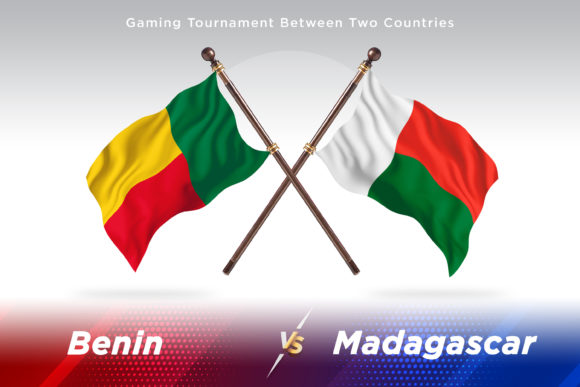
The flag of Benin consists of a green vertical band on the left, with the remaining space split into two horizontal stripes: yellow on top and red on bottom. Madagascar also uses a vertical band on the left, but it is white, followed by horizontal stripes of red on top and green on bottom. The layout is structurally identical, but the color palettes diverge sharply.
Benin’s colors draw from the Pan-African palette: green for hope and agricultural wealth, yellow for natural resources and the savanna, and red for the blood of those who fought for independence. Madagascar’s flag, adopted after independence from France, uses white for purity and peace, red for sovereignty and the blood of martyrs, and green for the coastal forests and agricultural vitality. Both flags use a simple two-horizontal-and-one-vertical layout, but that is where the visual similarity ends.
- Benin: Green (hoist), Yellow (top horizontal), Red (bottom horizontal)
- Madagascar: White (hoist), Red (top horizontal), Green (bottom horizontal)
The shared structure makes them easy to confuse at a distance, but the contrasting color schemes give each a unique emotional weight. Benin’s flag feels warmer and earthier, while Madagascar’s leans cooler and more serene. This distinction matters when you are selecting a color palette for a project or interpreting national identity through design.
Benin’s Flag: Bold and Symbolic
Benin’s flag is a classic example of Pan-African symbolism. The three colors appear on many African flags, but Benin’s specific arrangement is distinctive. The green band on the hoist breaks the typical horizontal-only design and gives the flag a sense of forward motion. The bold yellow and red convey energy and resilience. For designers, this palette offers high contrast and strong readability, even at small sizes. It also carries historical weight, as the flag was originally adopted in 1959 and then briefly replaced during a Marxist regime before being reinstated in 1990. That comeback story adds depth for anyone studying political symbolism or national identity.
Madagascar’s Flag: Calm and Balanced
Madagascar’s flag, adopted in 1958, stands out for its unusual combination of white, red, and green. The white hoist creates a clean anchor, while the red and green horizontals evoke both natural and historical themes. The red is a nod to the Merina monarchy, while the green reflects the island’s lush forests. The white represents peace and purity. This palette works well in contexts where you need a neutral anchor combined with warm and cool tones. It is less aggressive than Benin’s flag and feels more suited to environments that value calm authority or environmental messaging.
Practical Applications Across Contexts
The differences between these two flags go beyond trivia. They matter in real-world scenarios where visual identity, branding, and communication intersect.
Graphic Design and Branding
If you are designing a logo, website, or marketing material inspired by one of these flags, the color choice will affect perception. Benin’s yellow, green, and red combination is energetic and works well for brands that want to convey passion, growth, and heritage. Madagascar’s white, red, and green is softer and more approachable, suitable for travel brands, eco-conscious businesses, or health organizations. For example, a startup in the tourism space might draw from Madagascar’s flag for a calm, natural vibe, while a sports brand could tap into Benin’s flag for a high-energy look.
When comparing Benin versus Madagascar two flags for a branding project, consider the emotional tone. The same layout can communicate completely different messages depending on the colors. That is a powerful lesson for any creative professional.
Education and Research
Teachers and educators often use flag comparisons to illustrate history, geography, and symbolism. The structural similarity between these two flags makes them an excellent case study. Students can learn how the same design framework can express distinct national stories. This opens discussions about colonialism, independence, and cultural identity. For bloggers and publishers, a post analyzing these flags can attract readers interested in vexillology, African studies, or design history.
Digital Content and Marketing
Marketers and content creators sometimes use flags in visual assets for international audiences. If you are creating a campaign targeting audiences in West Africa or the Indian Ocean region, mixing up these flags could cause confusion or even offense. Understanding the difference between Benin versus Madagascar two flags helps you avoid a costly mistake. It also allows you to use flag imagery intentionally, whether to celebrate heritage, highlight diversity, or anchor a geographic reference.
For social media, the high contrast of Benin’s flag works well in thumbnails and profile photos. Madagascar’s flag, with its white hoist, might need a background adjustment to stand out on light-themed platforms. Small practical details like this matter when you are optimizing for engagement.
Community and Advocacy
Nonprofits and advocacy groups working in or with these countries can use flag imagery to build trust and recognition. A campaign for education in Benin might use the flag’s green and yellow to symbolize growth. A conservation initiative in Madagascar might use the flag’s green and white to emphasize environmental stewardship. The flags become shorthand for national identity, and using them correctly signals respect and cultural awareness.
Benefits Related to Usability and User Experience
From a usability standpoint, both flags have strengths. Their simple two-band-plus-hoist design makes them easy to reproduce at any size, from tiny emoji to large banners. The color contrast in Benin’s flag is high, which helps with legibility in digital and print formats. Madagascar’s flag, while also high-contrast between red and white, has a green that can be harder to distinguish on certain screens or in low light. If you are using either flag in a UI element, app icon, or data visualization, test the colors against your background and lighting conditions.
For accessibility, consider color blindness. The red-green combination appears in both flags but in different positions. Benin uses yellow and red, which are generally safe for common color vision deficiencies. Madagascar uses red and green, which can be problematic for people with red-green color blindness. If you are building an inclusive product, you might need to supplement flag imagery with text labels or patterns. That is a practical consideration for UX designers and product managers.
Realistic Use Cases and Recommendations
Here are some scenarios where knowing the difference between these flags directly impacts outcomes:
- A travel blogger writing about West Africa uses Benin’s flag in a infographic. If they accidentally use Madagascar’s flag, readers lose trust. Correct flag usage builds credibility.
- A graphic designer creates a series of flag-inspired icons for an educational app. They notice the layout similarity and decide to add a small text label to each icon. That small design choice eliminates confusion and improves usability.
- A startup founder names their product after a region in Madagascar. They incorporate the flag’s colors into their brand palette. Understanding the flag’s symbolism helps them tell a coherent story about their company’s values.
- A teacher uses both flags in a lesson about African independence movements. The structural similarity becomes a teaching point about shared colonial histories and divergent national paths.
My recommendation: whenever you work with flags from multiple countries, especially those with similar layouts, create a reference card with key design details. Note the hex codes of the colors, the year of adoption, and any symbolic meanings. This small habit saves time and prevents errors in professional work.
Practical Considerations When Selecting or Using These Flags
If you are choosing a flag for a project, exhibition, or publication, consider the context. Benin’s flag is strongly associated with West African identity, Pan-Africanism, and a history of political change. Madagascar’s flag carries ties to the Indian Ocean region, French colonial history, and a strong environmental narrative. The audience’s familiarity with these contexts will shape their response.
For digital use, check the official dimensions. Both flags use a 2:3 ratio, but variations exist in some reproductions. Stick to official government specifications when accuracy matters. For print, pay attention to color matching. Benin’s green and yellow can shift toward olive or gold if not calibrated, and Madagascar’s red can lean orange. Work with a print professional who understands pantone matching for national flags if you need precise reproduction.
Legal considerations also apply. In many countries, national flags are protected symbols. Using them in commercial products without permission can violate local laws. If you are using a flag as a design element, research the legal framework in the relevant jurisdiction. For editorial or educational use, fair use typically applies, but when in doubt, consult a legal professional.
Final Observations
The comparison of Benin versus Madagascar two flags is more than a visual exercise. It reveals how similar design structures can express unique identities, histories, and values. For professionals in design, education, marketing, and business, understanding these differences improves communication, builds cultural competence, and prevents missteps. Whether you are creating a brand, teaching a class, or planning a campaign, the flags of Benin and Madagascar offer a rich case study in the power of color and layout. Pay attention to the details, and your work will carry greater clarity and respect.