Benin Versus Mauritania Two Flags: Design, Symbolism, and Cultural Context
Flags are far more than pieces of fabric. They condense histories, values, and national identities into simple visual statements. When exploring Benin Versus Mauritania Two Flags, the contrast is striking — not just in color palettes or patterns, but in the stories each banner tells. Benin’s flag draws from pan-African ideals and a revolutionary past, while Mauritania’s flag reflects Islamic heritage and geographic reality. Understanding these differences reveals a great deal about each nation’s journey, priorities, and worldview.
The Visual Language of Benin’s Flag
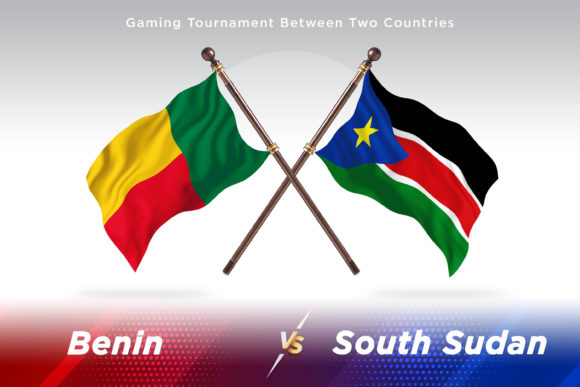
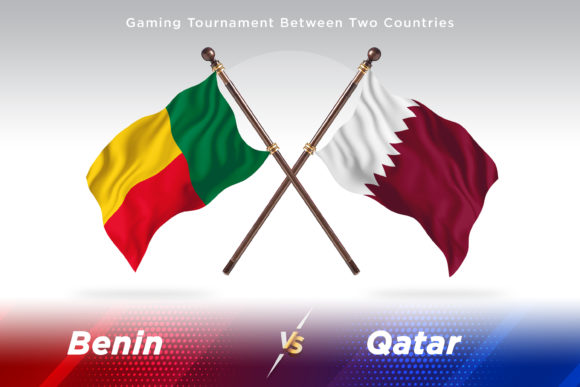
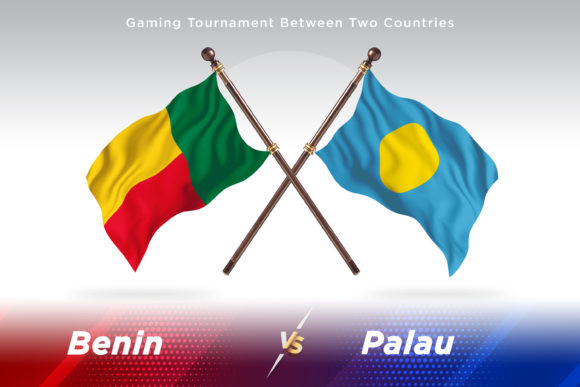
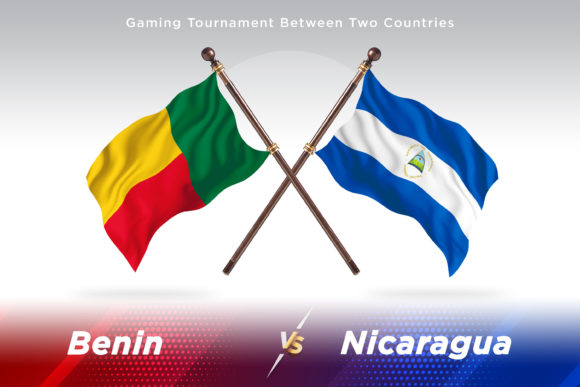
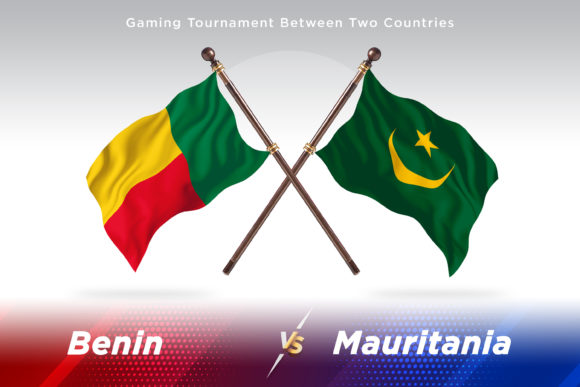
Benin’s national flag consists of two horizontal stripes — yellow on top, red on the bottom — with a green vertical band at the hoist side. The design is simple, bold, and immediately recognizable. It was originally adopted in 1959 when the country, then called Dahomey, gained independence from France. The flag was briefly replaced during the Marxist-Leninist period from 1975 to 1990, but reinstated when democracy returned.
The colors are deeply symbolic. Green represents hope and the lush agricultural landscape of the country. Yellow stands for the nation’s natural resources and wealth, particularly the savannas and mineral deposits. Red recalls the blood shed by ancestors in the struggle for independence and the ongoing effort to protect the nation’s sovereignty. Together, these colors align with the broader pan-African palette — a conscious choice that connects Benin to a continental movement of liberation and unity.
In practical terms, the flag’s design is straightforward to reproduce and recognize at a distance. Unlike flags with complex emblems or intricate patterns, Benin’s tricolor can be easily identified in low-resolution images, at sporting events, or flying from a government building. This simplicity is intentional: flags must function in many contexts, from diplomatic ceremonies to everyday civic life.
Mauritania’s Flag: A Distinctive Symbol of Faith and Geography
Mauritania’s flag is immediately distinctive. It features a green field with a golden star and crescent moon at the center, flanked by two red horizontal stripes — one at the top and one at the bottom. The design was officially adopted in 2017, but the core elements date back to 1959 when the country gained independence. The 2017 update added the red stripes to represent the sacrifices of the people who fought for independence and the blood of those who have died defending the nation.
The green background symbolizes Islam, the state religion, and also points to hope and prosperity. The golden star and crescent are traditional Islamic symbols, representing faith, guidance, and unity. The crescent also evokes the country’s location in the Sahara, where the moon has long guided travelers across vast deserts. The addition of red stripes made the flag more unique and more emotionally resonant, adding a layer of historical memory to what was already a powerful design.
Mauritania’s flag stands out among African flags for its bold use of a single dominant color and its clear religious symbolism. It is one of the few national flags that explicitly incorporates Islamic iconography in such a central way. This makes it not just a political emblem, but also a cultural and spiritual marker.
When you place Benin Versus Mauritania Two Flags side by side, the differences in philosophy become apparent. Benin’s flag is horizontal and pan-African; Mauritania’s is vertical in feel and pan-Islamic. One emphasizes natural wealth and struggle; the other emphasizes faith and identity.
Historical Evolution: How Each Flag Developed
Benin’s flag has a history of interruption and restoration. The original tricolor adopted in 1959 was replaced in 1975 by a green flag with a red star at the canton — a typical socialist emblem. That change reflected the country’s shift toward Marxism-Leninism under Mathieu Kérékou. But after the democratic reforms of 1990, the 1959 flag was restored. This return was more than cosmetic: it symbolized a rejection of authoritarian rule and a reconnection with the founding ideals of independence and democracy.
Mauritania’s flag, by contrast, has remained remarkably stable. The original 1959 design with the green field and golden crescent and star lasted for over 50 years. The 2017 addition of red stripes was a major change, but it was done through a national referendum with broad support. The update kept the existing symbolism while adding a layer of historical acknowledgment. It shows how a flag can evolve without losing its core identity.
For anyone studying Benin Versus Mauritania Two Flags, the historical path matters. Benin’s story is one of rupture and return, while Mauritania’s is one of continuity with refinement. Both approaches have merit, and both reflect the political realities of their time.
Practical Implications: Usage, Recognition, and Design Considerations
From a practical standpoint, flags serve several key functions. They identify nations in international settings, serve as symbols of unity at home, and appear on everything from government documents to sports jerseys. Both Benin’s and Mauritania’s flags perform these roles well, but with different strengths.
Benin’s flag uses standard pan-African colors, making it visually consistent with other African flags like those of Senegal, Ghana, and Ethiopia. This can be an advantage in regional contexts, as it signals solidarity. However, because many African flags use green, yellow, and red, recognition can sometimes require a second glance. The vertical band on the hoist helps differentiate it from horizontal-only tricolors.
Mauritania’s flag, with its green field and golden symbols, is less common. It stands out in any collection of flags because the star and crescent are instantly associated with Islamic identity. The red stripes further distinguish it from other green-based flags, such as those of Saudi Arabia or Pakistan. This distinctiveness is valuable for branding, tourism marketing, and international recognition.
When designing flags for digital or physical display, both flags work well. Benin’s colors are bright and contrast effectively. Mauritania’s green and gold are complementary and the red borders add structure. Neither flag relies on fine details that might blur at small sizes, which is a common problem for flags with complex coats of arms.
Modern Context: How These Flags Fit Into Contemporary Life
In today’s globalized world, flags are seen everywhere — on social media profiles, in video games, at international conferences, on airline tails, and during protest movements. The Benin Versus Mauritania Two Flags comparison is relevant for travelers, designers, educators, and anyone interested in national identity.
For travelers visiting West Africa, seeing these flags at border crossings, airports, or embassy buildings provides a quick visual reference. Knowing the symbolism behind each flag enriches the experience. For example, when a tourist sees Benin’s flag flying at a cultural festival, they can appreciate the connection to the country’s agricultural wealth and revolutionary history. In Mauritania, the flag at a mosque or government building reinforces the role of Islam in daily life.
Designers and marketers often use flags in their work — whether for travel blogs, educational materials, or branding campaigns. Understanding the nuances of each flag helps avoid cultural missteps. For instance, using Benin’s flag in a design that ignores its political history could feel hollow. Similarly, treating Mauritania’s flag as purely decorative without acknowledging its religious significance could be insensitive.
Educators find the Benin Versus Mauritania Two Flags comparison useful for teaching about symbolism, colonialism, independence movements, and the role of religion in state identity. It’s a concrete way to discuss abstract concepts like national pride and collective memory.
Factors to Consider When Choosing or Using These Flags
Whether you are a researcher, a traveler, or someone involved in international relations, there are practical considerations when engaging with these flags.
- Accuracy of reproduction: Ensure that the colors and proportions match official specifications. Benin’s flag uses specific shades of green, yellow, and red. Mauritania’s flag requires the correct gold tone and the proper width of the red stripes.
- Context of display: Both flags are typically flown with respect. Avoid using them in trivial or commercial contexts without understanding their cultural weight. The Mauritania flag is particularly sensitive given its religious symbolism.
- Digital representation: In web design or UI/UX, consider how each flag renders at small sizes. Both flags perform adequately, but the star and crescent in Mauritania’s flag may need careful scaling.
- Regional dynamics: Benin and Mauritania are both members of the African Union and the Arab League (Mauritania is a member of the Arab League; Benin is not). This affects how their flags are perceived in different international forums.
Observing Benin Versus Mauritania Two Flags in real-world settings — at an embassy, a cultural center, or even a flag store — reveals how design choices affect emotional response. Benin’s flag feels energetic and progressive. Mauritania’s flag feels grounded, spiritual, and resilient.
Observations and Recommendations
If you are writing about flags, creating content about African national symbols, or designing materials for an international audience, consider these points. First, always verify the most current flag design. Mauritania’s 2017 update is not yet universally reflected in older databases or images. Second, provide context for the colors and symbols — readers appreciate knowing why a flag looks the way it does. Third, use the comparison of Benin Versus Mauritania Two Flags as a case study for how geography, religion, and political history shape national emblems.
For the average person, learning about these flags is a small but meaningful way to understand two distinct nations. Benin and Mauritania are both African countries, but their flags reflect different priorities, different struggles, and different visions for the future. That is exactly why comparing them is so valuable.
Flags are not static. They change when nations change. But even in their differences, Benin’s and Mauritania’s flags share something essential: they are honest representations of who their people are and what they value. That is the real power of a flag.