Benin vs Canada: Two Flags, One World of Design
Flags tell powerful stories without uttering a single word. They compress history, cultural values, and national identity into a deceptively simple combination of shapes and colors. At first glance, the flags of Benin and Canada might seem like unlikely candidates for comparison. One belongs to a West African nation rich in pre-colonial kingdoms, the other to a vast North American federation. Yet, both share a striking structural anchor: a bold vertical band on the hoist side. From this single similarity, their narratives diverge dramatically. Understanding why each flag looks the way it does—and how different audiences use and evaluate them—offers a practical lesson in design, symbolism, and global awareness.
The Designer’s Blueprint: Form, Color, and Proportion
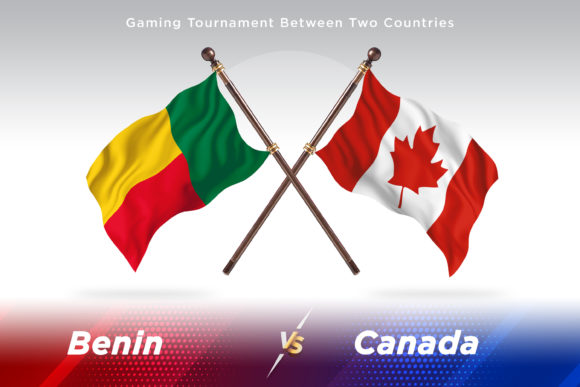
For graphic designers, web creators, and visual artists, comparing these two flags is a masterclass in effective branding and color theory. The Canadian flag is a structural marvel. It features a vertical red band on each edge, framing a white square that holds a stylized 11-point maple leaf. The leaf itself is mathematically defined by specific geometric coordinates, making it one of the most precisely legislated national symbols in the world. Its stark red and white palette is simple, instantly recognizable, and works across nearly every medium, from a lapel pin to a massive stadium banner.
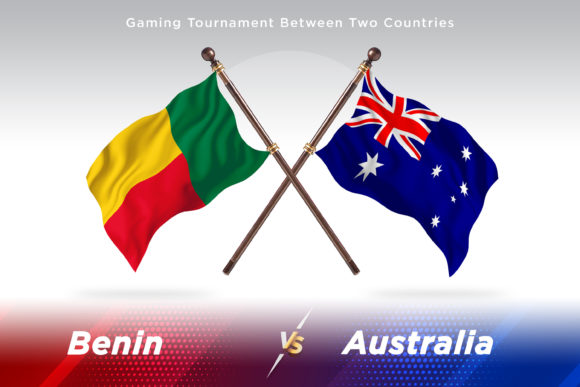
The Benin flag, adopted in 1959, takes a different approach to the same vertical layout. A bright green vertical stripe occupies the left third of the flag. The remaining two-thirds are split horizontally into a top yellow stripe and a bottom red stripe. For a designer, this is a beautiful exercise in triadic color relationships. The green represents hope and the lush palm groves of the south, the yellow symbolizes the natural resources and savannahs of the north, and the red stands for the courage and bloodshed of the ancestors. A brand designer working on a multicultural project could study the Benin flag to understand how to use color to convey layered meaning, while the Canadian flag demonstrates how extreme simplicity can achieve universal recognition.
- For the brand identity designer: The Canadian flag teaches the power of a single, proprietary symbol. The maple leaf is a distinct asset. The Benin flag teaches the power of a cohesive color story—how three fundamental colors can represent an entire nation's geography and history.
- For the web developer or UI designer: Contrast is key. Canada's high-contrast red and white is highly accessible. Benin's green, yellow, and red sequence requires careful handling to ensure readability, especially in digital interfaces.
The Learner’s Perspective: History and Identity Made Visible
For beginners, students, and lifelong learners, these two flags open a fascinating window into the 20th century. The Benin flag was first adopted in 1959, just before the Republic of Dahomey (the former name of Benin) gained full independence from France. It reflects the Pan-African movement, using the colors often associated with African independence and unity (similar to Ethiopia, Ghana, and others). Learning this flag means understanding the optimism and struggle of a continent redefining itself.
In contrast, the Canadian flag, adopted in 1965, replaced the Red Ensign (which featured the Union Jack). This change was a deliberate move to forge a unique national identity separate from Britain. The maple leaf had been a Canadian symbol for centuries, and the design process involved a national debate and a contest that drew thousands of submissions. For a teacher or a parent helping a child with a geography project, comparing the "why" behind these two flags is far more valuable than just memorizing their names. It turns a simple image into a lesson about colonialism, independence, and national unity.
What Each Flag Communicates to a Learner
- Benin: Look for the story of the environment. The green strip (south), the yellow strip (north), and the red (the unifying blood of the people). It is a flag that reads like a landscape with a history.
- Canada: Look for the story of identity. The maple leaf is a natural emblem that belonged to the land long before modern borders. The red and white were proclaimed national colors by King George V. It is a flag that reads like a declaration of distinctiveness.
The Entrepreneur, Marketer, and Professional’s Toolbox
If you are a small business owner, freelancer, or marketer working in international contexts, understanding the difference between these flags goes beyond general knowledge—it becomes a matter of respect and accuracy. Imagine you are designing a promotional campaign for a product launch in both Cotonou and Toronto. Using the Benin flag correctly means getting the shade of green exactly right (a medium, vibrant green) and ensuring the horizontal stripes are properly proportioned. Using the Canadian flag means respecting the precise design of the maple leaf—never stretching it or changing its orientation.
For an event planner coordinating a diplomatic function or an international sports event, the protocol matters. Flags are not just decorations. They represent sovereign states. A professional who knows that the Benin flag was originally adopted by Dahomey and that the current flag was reinstated in 1990 (after a period under a Marxist government) has a deeper understanding that can prevent embarrassing mistakes or outdated representations. A blogger writing about global travel trends can use these two flags to illustrate the diversity of visitor experiences—the eco-tourism of Benin versus the natural wonder of Canada.
- For the freelancer: Always source high-quality vector files for both flags. A blurred or stretched flag on a client’s website looks unprofessional. Sites like Flagpedia or government portals offer official specifications.
- For the entrepreneur: Consider what these flags represent in terms of market values. Canada’s flag often symbolizes stability, nature, and safety. Benin’s flag represents a growing economy, rich cultural heritage, and emerging opportunity.
The Collector and Hobbyist: Quality, Craft, and Display
For flag enthusiasts (vexillologists) and collectors, the physical object itself matters. A printed polyester flag bought at a dollar store is very different from a sewn, heavy-duty nylon flag with embroidered details. The Canada flag sold to consumers is often made of durable nylon to withstand harsh winters and strong winds. Collectors look for historical accuracy—the exact shade of red (close to Pantone 032) and the precise number of leaf points.
Benin flags, depending on where they are made, can vary more in material quality. A collector might seek out a flag made in Benin itself to get a more authentic representation of the colors and fabric texture used locally. For a hobbyist looking to display a flag from every UN member state, both Canada and Benin are essential. The difference in their design principles (one using a central emblem, the other using equal stripes) creates a visually interesting collection. Displaying them side-by-side in a home office or game room is a statement of global curiosity.
Evaluating Value, Cost, and Long-Term Use
How do you decide which flag matters more to you? It depends entirely on your goal. Let’s break down the evaluation criteria for different users.
Cost and Accessibility: Mass-produced Canadian flags are extremely common and relatively cheap due to high demand and local manufacturing. Benin flags may be less common in local brick-and-mortar stores but are widely available online, though shipping costs may be higher. For a consumer on a tight budget for a school project, the Canada flag is often easier to acquire quickly.
Quality and Durability: If you plan to fly a flag outdoors 24/7, look for "heavy-duty" or "commercial grade." Canadian flags made in Canada often come with UV protection and reinforced stitching. A collector displaying a flag indoors in a frame might prioritize historical accuracy over weather resistance. A Benin flag used for a cultural festival needs to withstand handling and bright sun without fading.
Creative and Commercial Value: For a creator, the "value" is in the inspiration. The Benin flag offers a fantastic example of how to build a visual identity around a geographic narrative. The Canada flag offers a case study in how to build a visual identity around a single, powerful icon. A YouTuber making a video essay on flag design would get more mileage out of analyzing the Benin flag because it is less commonly taught, while a marketing consultant might use the Canadian flag as a textbook example of national branding.
Matching the Flag to Your Project or Need
Still unsure which flag relates to your current work or interest? Here is a quick way to check your alignment:
- You care about simplicity and instant recognition: The Canadian flag is for you. Its minimal design is a gold standard in vexillology.
- You care about layered meaning and cultural depth: The Benin flag offers a richer story to unpack. Every color has a direct tie to the land and the people.
- You need a flag for an educational lesson: Start with the Benin flag to discuss post-colonial identity and the Pan-African movement. Then use the Canadian flag to discuss federalism and peaceful national redefinition.
- You are a designer seeking inspiration: Look at the Benin flag for color palette inspiration. Look at the Canadian flag for icon and logo inspiration.
- You are a consumer buying a flag for your home: Ask yourself what story you want to tell. A Canadian flag might signify national pride. A Benin flag might signify heritage, travel, or solidarity with the African continent.
Both flags are, by any standard, excellent designs. They are simple enough for a child to remember, yet profound enough to represent the hopes and histories of millions of people. Whether you are designing a brand, teaching a class, or simply decorating your space, the flags of Benin and Canada remind us that the best designs are not just seen—they are felt and understood. By comparing them, you move from passive observation to active learning, discovering that every flag is a story waiting to be read.