Benin vs Saint Kitts: Two Flags Compared
Flags tell stories. They represent history, culture, and identity. Comparing the flags of Benin and Saint Kitts and Nevis offers a fascinating look at how two nations express their values through color, pattern, and symbolism. At first glance, both flags use bold primary colors and geometric designs, but their meanings and uses are quite distinct. Whether you are a traveler, a designer, a student, or simply curious about world cultures, understanding these flags deepens your appreciation for the countries they represent.
Design and Colors: A Quick Visual Overview
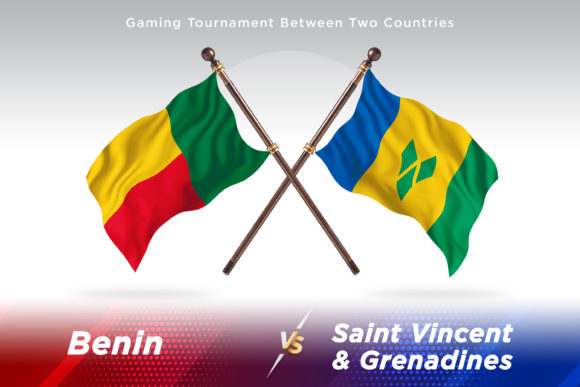
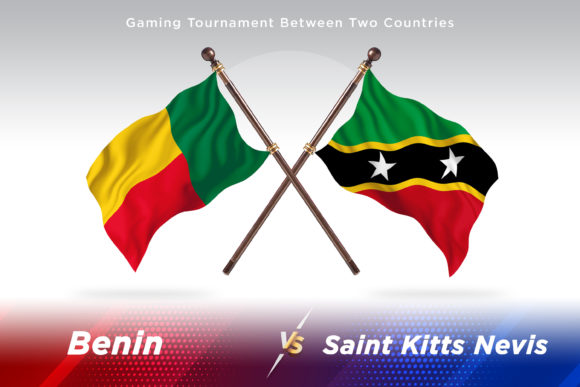
Benin’s flag consists of a vertical green stripe on the hoist side, with the remaining portion split into two horizontal stripes: yellow on top and red on the bottom. The green represents hope and renewal, yellow stands for the country’s natural resources and wealth, and red symbolizes the courage of its ancestors and the blood shed for independence.
Saint Kitts and Nevis uses a more complex design. A black diagonal band edged in yellow runs from the lower hoist to the upper fly. Inside the black band are two white stars. Above the diagonal are a green triangle and below it a red triangle. Green stands for the islands’ fertility, yellow for the sunshine, black for the heritage of the people, white for hope and peace, and red for the struggle for freedom.
Both flags incorporate the pan-African colors of green, yellow, and red, though Saint Kitts adds black and white. Their use of geometry differs: Benin follows a simple block pattern, while Saint Kitts uses a diagonal split with stars, making it more intricate.
Benin: Unity and Natural Wealth
The flag of Benin was officially adopted in 1990 when the country returned to democracy. Its colors echo the pan-African movement, linking Benin to a broader continental identity. The green stripe on the left acts as a grounding element, representing agriculture and the forests of the country. The yellow and red horizontal bands suggest forward movement and vitality. Together, the flag conveys a message of resilience, growth, and unity among diverse ethnic groups.
Saint Kitts and Nevis: Caribbean Pride and Independence
Adopted in 1983 upon independence from the United Kingdom, the flag of Saint Kitts and Nevis is rich with layered meaning. The diagonal band symbolizes the creative energy and determination of the people. The two white stars represent the two islands – Saint Kitts and Nevis – working together in harmony. The green and red triangles evoke the lush landscape and the struggle for liberation. This flag is a bold statement of sovereignty and Caribbean identity.
Key Differences at a Glance
- Layout: Benin uses a vertical stripe plus horizontal stripes. Saint Kitts uses a diagonal band with two triangles.
- Symbols: Benin has no stars or emblems. Saint Kitts features two white stars.
- Color count: Benin uses three colors. Saint Kitts uses five.
- Historical origin: Benin’s current flag dates to 1990. Saint Kitts’ flag dates to 1983.
- Visual impression: Benin’s flag appears blocky and straightforward. Saint Kitts’ flag feels dynamic and complex.
Why Compare These Flags?
You might wonder why someone would compare Benin versus Saint Kitts two flags specifically. The answer often lies in specific interests or practical needs. For example:
- Travel enthusiasts planning trips to West Africa or the Caribbean want to recognize the flags before arriving.
- Educators teaching world geography or civics use comparative examples to help students remember flag designs.
- Graphic designers draw inspiration from color palettes and layout principles of national flags.
- Quiz participants or trivia lovers aim to distinguish similar-looking flags and avoid confusion.
The flags of Benin and Saint Kitts are sometimes grouped together due to their use of green, yellow, and red, but a close look reveals they are very different. Understanding those differences prevents mistakes when representing either nation.
Learning and Education
If you are studying flags for a test or personal enrichment, comparing two at a time is an effective method. Notice that Benin’s green is always on the left side, while Saint Kitts uses green as a triangle. Pay attention to the yellow edge in Saint Kitts’ diagonal – that is a quick identifier. You can create flashcards with these flags side by side, or use online flag quizzes that test your ability to tell them apart.
Design Inspiration
Creative professionals often look at flag designs for color theory and layout. Benin’s simple horizontal and vertical division is great for minimalist branding. Saint Kitts’ diagonal and stars work well for dynamic logos or event banners. When choosing a color scheme for a project, the green vs yellow vs red combination in Benin gives a natural, organic feel. Saint Kitts’ palette with black and white adds contrast and a modern edge.
Travel and Cultural Awareness
If you are traveling to either country, knowing the flag shows respect and cultural awareness. In Benin, the flag is flown at government buildings, schools, and during national festivals like Independence Day (August 1). In Saint Kitts, you will see the flag proudly displayed during Carnival and at cricket matches. Using the correct flag in presentations or social media posts about your travels demonstrates attention to detail.
Business and International Relations
Small business owners who source products from West Africa or the Caribbean might display flags in their offices or websites to signal their global reach. Marketers creating regional campaigns need accurate flags to avoid offending audiences. A mistaken flag could damage credibility. Knowing that Benin’s flag lacks stars and has a vertical green band, while Saint Kitts has a diagonal and stars, helps you get it right every time.
Historical Context Matters
Benin has had several flags in its history, including a different design under the Marxist regime from 1975 to 1990. If you are representing modern Benin, use the current flag with the vertical green stripe. Older versions still appear in historical materials, so be clear about which era you are referencing. Saint Kitts has only used its current flag since independence, though the union with Anguilla in the 1970s involved a different flag – now obsolete.
Similar Flags to Watch Out For
Benin’s flag can be confused with flags of other West African nations like Ghana, Cameroon, or Senegal. Ghana uses a similar green-yellow-red horizontal tricolor but with a black star. Cameroon has a vertical tricolor with a star. Saint Kitts’ flag might be mistaken for the flag of the former British colony of Saint Vincent and the Grenadines, though that one has diamonds. Always double-check when working with flags from the same region.
Respectful Use
National flags are protected symbols. Avoid altering colors, rotating the flag, or using it in disrespectful ways. For commercial use, ensure you are not violating any trademark or usage laws. In most countries, flags can be used in educational and editorial contexts without permission, but for merchandise, check local regulations. The principles of E-E-A-T (Experience, Expertise, Authoritativeness, Trustworthiness) apply here: provide accurate information and source your flag facts from reliable references like government websites or vexillology associations.
Digital and Print Reproduction
When designing digital graphics, always use the correct color codes. Benin’s green is roughly: Pantone 355C (bright green). Yellow: Pantone 116C. Red: Pantone 186C. Saint Kitts’ colors: Green (Pantone 347C), Yellow (Pantone 109C), Red (Pantone 186C), Black (Pantone Black C), White (pure white). Slight variations exist, but sticking to official specifications ensures accuracy. If you are printing flags, use a reputable vendor who follows official dimensions (usually 2:3 ratio for both flags).
Final Thoughts: Two Flags, Two Stories
Benin versus Saint Kitts two flags is not just a visual comparison – it is a window into the history, values, and aspirations of two distinct nations. Benin’s flag speaks of a land rich in nature and determined to move forward on its own terms. Saint Kitts’ flag celebrates island unity and the triumph of freedom. Both are beautiful in their own way, and understanding them enhances your global literacy.
Whether you are a student cramming for a geography test, a designer looking for fresh perspectives, or a traveler packing for your next adventure, take a moment to appreciate the language of flags. The next time you see one of these flags waving, you will know exactly what it means – and what sets it apart from the other.