Comparing the Flags of Benin and Oman
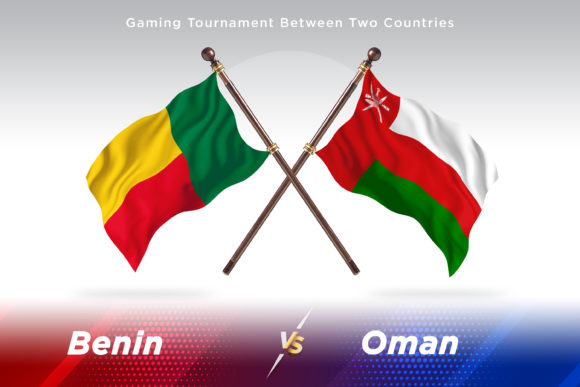
When you place the national flags of Benin and Oman side by side, the immediate reaction is often one of visual contrast. One is a bold, unapologetic tricolor of green, yellow, and red. The other is a layered composition of red, white, and green, anchored by a regal dagger emblem. For most people, this comparison feels academic. But for educators sourcing materials, designers building a brand asset, or businesses ordering flags for an international event, the choice between these two flags reveals a surprisingly deep set of practical priorities. Understanding what makes these flags different goes beyond geography—it touches on cost, complexity, symbolism, and usability for very different audiences.
Visual Foundations: Simplicity Versus Intricacy
At its core, the “versus” between Benin and Oman is a study in design philosophy. Each flag tells a story through its structure, and that structure dictates how it can be used, reproduced, and respected.
The Benin Flag: A Study in Pan-African Clarity
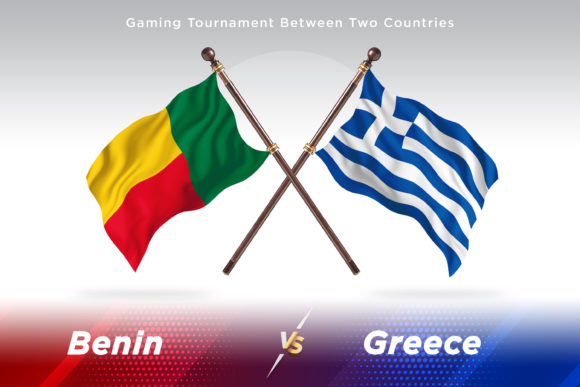
The flag of Benin consists of three distinct bands. A vertical green stripe sits on the hoist side, while the fly side is split horizontally into yellow on top and red on the bottom. This classic tricolor layout, adopted in 1959 and reinstated in 1990 after a political shift, uses the symbolic weight of Pan-African colors. Green represents hope and the land, yellow stands for the savannahs and natural wealth, and red symbolizes the blood and courage of those who fought for independence. The brilliance of this design is its extreme clarity. It is instantly recognizable, easy to describe, and incredibly forgiving to reproduce. Whether it is printed on a low-resolution image file or sewn as a hand-held banner, the silhouette and message remain intact.
The Oman Flag: Heritage in Every Detail
The flag of Oman operates on a different level of visual complexity. A thick red vertical stripe runs along the hoist, housing the national emblem—the famous Khanjar dagger crossed with two swords. The remainder of the flag is divided horizontally: a white band on top and a green band on the bottom. The red represents the previous national flag of the Sultanate, white symbolizes peace and prosperity, and green reflects the fertile Jebel Akhdar mountains and the country’s agricultural heritage. The real defining feature, however, is the emblem. The Khanjar must be embroidered or printed with precision. The curve of the dagger, the orientation of the swords, and the overall proportions are legally standardized. This makes the Oman flag inherently more difficult to manufacture and more expensive to acquire, but also visually richer in a formal setting.
Why Different Audiences Evaluate These Flags Differently
The practical value of knowing the difference between the Benin flag and the Oman flag shifts dramatically depending on who you are and what you need to accomplish.
For Educators and Bloggers: Precision and Historical Context
If you are teaching a geography lesson or writing a comparative cultural post, accuracy is your currency. The risk of mixing up these two flags is low due to their distinct colors, but the risk of misrepresenting their symbolism is higher. For example, showing the Benin flag as an example of simple tricolor design works well, but you must explain the political history—how the country changed its flag in 1975 during its Marxist era and restored the original in 1990. For the educator, the learning value is immense. The Benin flag teaches about colonialism, revolution, and restoration. The Oman flag teaches about dynastic continuity and maritime trade. Both serve as rich primary sources for cultural study, but the educator must prioritize reliability of information and the ability to visually contrast them without confusion.
For Graphic Designers and Creators: Scalability and Format Flexibility
For a designer, the Benin flag is a dream. Its tricolor structure scales perfectly from a favicon to a billboard. Color matching is straightforward—basic greens, yellows, and reds that translate easily across RGB, CMYK, and Pantone systems. The Oman flag, in contrast, introduces complexity. The national emblem requires a high-resolution vector file to remain sharp. Scaling the Oman flag down for a small icon often results in losing the detail of the Khanjar, which can look like a blur or a smudge at tiny sizes. A creator building a global infographic must decide whether the audience needs to recognize the emblem or whether a simplified representation will suffice. The priority here is flexibility and presentation. If the project demands high-detail luxury, Oman wins. If it demands clean, universal legibility, Benin is the superior choice.
For Business Owners and Flag Manufacturers: Cost, Speed, and Quality Control
This is where the comparison becomes most tangible. If you own a small business that supplies flags for local cultural events or corporate display, the difference in cost and manufacturability is stark. A standard 3x5 foot Benin flag can be produced using basic dye-sublimation on polyester in seconds. The material cost is low, the reject rate is next to zero, and you can offer it at a highly competitive price. The Oman flag requires more expensive materials—often heavier woven fabric or silky finishes—to properly display the emblem through embroidery. The production time is longer, and the risk of a misaligned or poorly stitched Khanjar increases the quality control burden. For a business owner catering to budget-conscious consumers, the Benin flag is a fast-moving commodity. For a supplier serving government institutions or luxury hospitality, the Oman flag represents a higher-margin, higher-stakes product that demands quality over speed.
For Hobbyists and Consumers: Emotional Connection and Durability
An individual collecting flags or buying one for a personal celebration prioritizes different things. A hobbyist might be drawn to the striking simplicity of the Benin flag because it fits neatly into a standard collection and is easy to display. A traveler might choose the Oman flag because the intricate emblem feels more authentic and decorative. For the consumer, durability and meaning matter most. A cheap, screen-printed Benin flag might fade after one season outdoors. A higher-quality embroidered Oman flag will last longer but costs three times as much. The buyer must ask whether the flag will be used indoors or outdoors, whether it is for a one-time event or a long-term display, and whether the story behind the design justifies the investment.
Practical Scenarios for Different Needs
To make this comparison more concrete, here are a few common situations where the choice between these two flags really matters.
- Scenario: A University Cultural Fair — A student group needs 30 small hand-held flags representing various nations. They are on a tight budget and need them fast. The Benin flag is ideal. Its simple tricolor can be easily printed on basic fabric without losing detail. The Oman flag would require more expensive, high-resolution printing to keep the emblem clear at a small size. Verdict: Benin wins for ease of use and cost.
- Scenario: A Luxury Hotel Lobby Display — A hotel manager needs a permanent display of flags from partner countries. The presentation must feel premium and respectful. The Oman flag, with its rich green and white panels and detailed embroidered Khanjar, creates a sense of heritage and formality. The Benin flag, while beautiful in its own right, may feel visually simpler and less “ornate” in a luxury context. Verdict: Oman wins for presentation and perceived quality.
- Scenario: A Digital Marketing Campaign for Travel — A freelance content creator is building a website comparing travel destinations in West Africa and the Middle East. They need flags for navigation icons. The simplicity of the Benin flag makes it a perfect icon at 32x32 pixels. The Oman flag, at the same size, becomes a red block with an unintelligible smudge. The creator must either create a simplified vector version of the Khanjar or rely on color recognition. Verdict: Benin wins for digital flexibility.
- Scenario: A History Lesson Plan — A middle school teacher wants to use flags to spark discussion about national identity and historical change. The Benin flag offers a clear visual hook—students can research why the colors changed in 1975 and reverted in 1990. The Oman flag offers a gateway to learning about the Sultanate and the role of the Khanjar as a symbol of authority. Both are excellent, but the teacher must consider the learning value and whether the complexity of the Oman emblem will distract younger students. Verdict: Tie, depending on teaching goals.
Identifying the Right Fit for Your Project
Knowing whether the flag of Benin or Oman better serves your needs comes down to a clear-eyed assessment of your own priorities.
If you value speed and low cost, the Benin flag is the practical choice. Its design is highly forgiving of manufacturing shortcuts and low-resolution reproduction. It is a flag that can be produced at scale without losing its essential character.
If you value detail and prestige, the Oman flag rewards the investment. The emblem demands attention and conveys a sense of established authority and cultural depth. It is not a flag that can be rushed, but when done right, it commands respect.
If you value learning and cultural storytelling, both flags offer incredible depth, but they require different teaching approaches. The Benin flag tells a story of political transformation and Pan-African unity. The Oman flag tells a story of unbroken monarchy and maritime heritage. Neither is inherently better; the right choice depends entirely on the narrative you want to build.
Comparing the flags of Benin and Oman is not about declaring a visual winner. It is about recognizing that a flag is never just a design—it is a tool for communication, a product for manufacturing, and a symbol of identity. By understanding how simplicity and complexity affect production, perception, and purpose, you equip yourself to make a choice that is not just visually informed, but deeply practical.