Barbados vs South Sudan: Two Flags Compared
At first glance, the national flags of Barbados and South Sudan share little in common. One belongs to a small Caribbean island nation with a stable democracy and tourism-driven economy. The other represents the world’s youngest country, born from decades of civil war in East Africa. Yet comparing these two flags reveals something valuable: how a country’s history, values, and aspirations are woven into a single design. Whether you are a designer looking for inspiration, an educator preparing a lesson, a traveler curious about world cultures, or a business owner seeking meaningful symbolism for a brand, understanding the stories behind national flags can broaden your perspective. This article unpacks the meaning, purpose, and practical relevance of the Barbados and South Sudan flags side by side.
What the Barbados Flag Represents
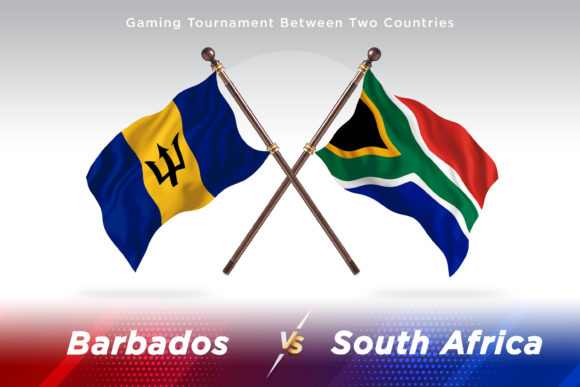
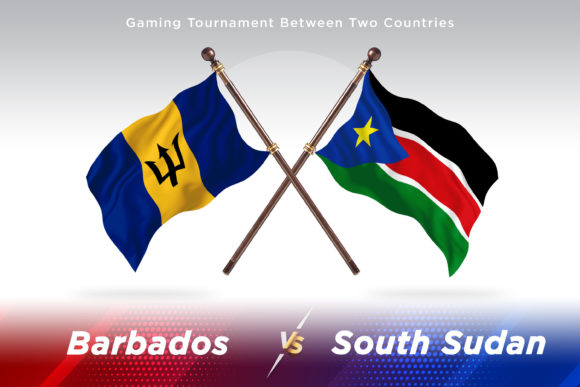
The flag of Barbados was officially adopted on November 30, 1966, the day the island gained independence from the United Kingdom. Its design is clean, deliberate, and full of symbolism. The flag features three vertical bands: two outer bands of ultramarine blue and a golden yellow center. In the middle of the yellow stripe sits a black trident head.
The blue bands represent the ocean and the sky that surround the island. The yellow band stands for the sandy beaches that line Barbados’ coast. The black trident head is the most distinctive element. It is often called the “broken trident” because the shaft is missing. This symbol is taken from Barbados’ colonial coat of arms, but the broken shaft represents the break from British rule while still honoring the country’s historical ties. The three points of the trident symbolize the principles of democracy: government of the people, by the people, and for the people.
For Barbadians, the flag is a proud statement of independence, resilience, and national identity. It is flown at government buildings, schools, and sporting events. It also appears in everyday life on clothing, souvenirs, and digital media.
What the South Sudan Flag Represents
South Sudan became an independent nation on July 9, 2011, after a long and painful struggle for self-determination. Its flag was adopted even earlier, in 2005, when the Comprehensive Peace Agreement ended decades of conflict. The design shares similarities with the flag of Kenya and other East African nations, reflecting regional solidarity.
The flag has a horizontal layout with three broad stripes: black at the top, red in the middle, and green at the bottom. A white fimbriation separates each stripe. On the hoist side, a blue triangle extends into the flag, and inside that triangle sits a golden five-pointed star.
Each color carries deep meaning. Black represents the people of South Sudan and their African heritage. Red symbolizes the blood spilled during the independence struggle. Green stands for the country’s fertile land and natural resources. White signifies peace and the hope for a harmonious future. The blue triangle represents the River Nile, which flows through the country and is vital for life and agriculture. The golden star is the Star of Bethlehem, a symbol of unity and the guiding light for the nation’s future.
The South Sudan flag is more than a national emblem. It is a rallying point for a population that endured immense hardship to gain freedom. You see it at government offices, military parades, and community events. It also appears on digital platforms, in educational materials, and in international diplomacy.
Why Compare These Two Flags?
Comparing the Barbados and South Sudan flags may seem odd at first, but doing so reveals a lot about how flag design works across different contexts. Both flags use color, shape, and symbolism to communicate shared values. Both were adopted at moments of national transformation. And both have practical uses beyond official government display.
Here are a few reasons why someone might want to study these two flags side by side:
- Design inspiration: If you are a graphic designer or branding professional, analyzing flag designs can teach you how to compress meaning into simple visual elements. The Barbados flag uses a single central symbol with layered meaning. The South Sudan flag uses a more complex arrangement of stripes and a canton triangle. Both approaches achieve clarity and emotional impact.
- Educational value: Teachers and educators can use these flags to introduce students to world geography, history, and civics. Comparing flags from different continents helps learners understand how culture and context shape symbolism.
- Cultural appreciation: For travelers, expats, or global professionals, learning about flags deepens your connection to the places you visit or work with. Knowing what the trident or the star means shows respect for local identity.
- Content creation: Bloggers, social media managers, and YouTube creators often need engaging visual content. A flag comparison can be a great topic for a short video, an infographic, or a blog post aimed at global audiences.
Practical Use Cases in Everyday Contexts
Flags are not just for government buildings. They appear in many areas of life, and understanding their meaning can help you use them appropriately.
Personal and Creative Projects
If you are a hobbyist creating a world map for your wall, a digital artist designing a collage, or a writer setting a story in one of these countries, knowing the flags helps you represent the setting accurately. For example, if you are designing a travel blog banner featuring Caribbean destinations, you might use the Barbados flag alongside other island flags. If you are working on a piece about African independence movements, the South Sudan flag is a powerful visual element.
Business and Branding
Small business owners and entrepreneurs sometimes use flag motifs to signal the origin of their products or services. A rum brand from Barbados might incorporate the trident symbol into its label. A fair-trade coffee company sourcing beans from South Sudan could use the star and stripes in its packaging. But be careful: using national symbols for commercial purposes can be sensitive. Always research local laws and cultural norms before using a flag in branding. In some countries, flag use is restricted or requires permission.
Educational and Professional Settings
Teachers can use the Barbados and South Sudan flags as part of a lesson on symbolism, independence movements, or post-colonial identity. For example, students might compare how each flag uses color to convey meaning, or how each design reflects the country’s unique history. In a corporate training context, flags can be used in diversity and inclusion workshops to help employees appreciate the backgrounds of colleagues from different parts of the world.
Digital and Social Media
On platforms like Instagram, TikTok, and YouTube, flags are commonly used in posts about travel, culture, and current events. A creator covering national holidays might share the Barbados flag on Independence Day (November 30) or the South Sudan flag on its Independence Day (July 9). If you run a trivia or geography page, comparing these two flags can be a great way to engage your audience with interesting facts.
Important Considerations Before Using These Flags
Using national flags comes with responsibility. Here are some practical things to keep in mind:
- Respect the design: Do not alter the colors, proportions, or orientation of a flag unless you are creating an artistic interpretation clearly separated from the original. The Barbados flag must always have the trident centered and upright. The South Sudan flag must keep the correct order of stripes and the star properly aligned.
- Cultural sensitivity: For both countries, the flag is a symbol of national pride. In South Sudan, where independence was hard-won, the flag carries deep emotional weight for many citizens. Treat it with the same respect you would want for your own country’s symbols.
- Legal restrictions: Some countries have laws governing flag use. While Barbados and South Sudan may not have strict commercial restrictions, it is always wise to check before using a flag in products, advertising, or branding.
- Accuracy matters: When displaying flags in digital or print media, ensure you use the correct colors and proportions. The Barbados flag uses specific shades of ultramarine blue and golden yellow. The South Sudan flag uses black, red, green, white, blue, and gold. Getting these details wrong can appear careless or disrespectful.
What Makes Each Flag Appealing
Both flags have a visual appeal that extends beyond their national context. The Barbados flag is often praised for its clean, modern design. The trident symbol is distinctive and easy to recognize, which makes it effective as a national brand. The South Sudan flag is bolder and more layered, with a striking combination of black, red, green, and blue. The gold star adds a focal point that draws the eye.
For designers, these flags offer two different approaches to visual identity. Barbados uses minimalism and restraint. South Sudan uses contrast and complexity. Both work well because they stay consistent with their intended message.
Final Thoughts on Barbados and South Sudan Flags
Whether you are researching flags for a school project, planning a cultural event, or simply satisfying your own curiosity, the Barbados and South Sudan flags each tell a powerful story. Barbados’ trident speaks to a peaceful break from colonialism and a commitment to democratic values. South Sudan’s star and stripes speak to a costly struggle for freedom and a hope for lasting peace. Comparing them helps you see how different journeys can produce equally meaningful symbols.
Next time you see either flag, you will know more than just the colors. You will understand the history, the aspirations, and the people behind the design. And that is the real value of studying flags as a window into the world.