Benin vs Macau: Two Flags That Tell Stories of Identity and Heritage
Flags are more than pieces of fabric fluttering in the wind. They are visual summaries of a nation's soul, its history, and its values. When you place the flag of Benin next to the flag of Macau, you might initially see little in common. One bursts with Pan-African colors, while the other blends Chinese and Portuguese influences. Yet, each flag serves the same essential purpose: to tell the world who its people are and what they stand for. Understanding these two flags side by side offers a fascinating lesson in geography, culture, and the quiet power of symbolism. This article will break down every element of the Benin versus Macau flag comparison, helping you see beyond the cloth and into the stories these nations share with the world.
Why Compare These Two Flags?
At first glance, Benin and Macau seem worlds apart. Benin is a West African nation with a rich history of kingdoms, colonialism, and independence. Macau is a Special Administrative Region of China, known for its fusion of Cantonese and Portuguese cultures. Yet comparing their flags reveals how different peoples use the same visual language—color, shape, and emblem—to express unique identities. Whether you are a student, a traveler, or simply curious about world symbols, this comparison will sharpen your eye for the details that matter in vexillology, the study of flags. You will also gain a deeper appreciation for how these designs fit into modern life, from international diplomacy to everyday pride.
Design and Colors
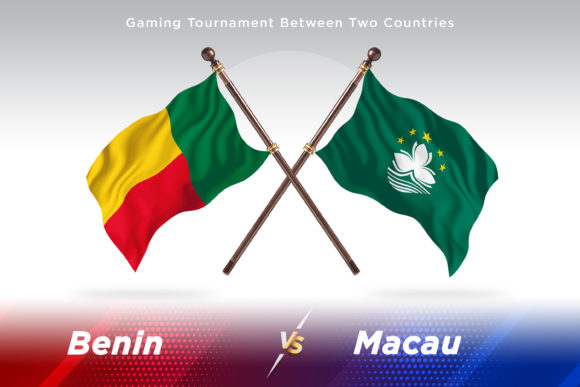
The national flag of Benin consists of two distinct sections. On the left side, a vertical green stripe runs the full height of the flag. On the right side, the remaining space is split horizontally into two equal bands: yellow on top and red on the bottom. This simple yet striking layout is a classic example of the Pan-African color scheme. The flag was officially adopted on November 16, 1959, when Benin—then known as Dahomey—was preparing for independence from France. After a brief period of Marxist rule when the flag was changed, the original design was restored on August 1, 1990, marking a return to democratic governance.
Symbolism and Meaning
Each color on the Benin flag carries specific meaning deeply rooted in the nation's identity:
- Green represents hope and the lush agricultural landscape of the country. Benin's economy relies heavily on farming, and green also symbolizes the forests and fertile land that sustain its people.
- Yellow stands for the savannas and the natural resources that have shaped Benin's history. It also reflects the country's moral wealth and the treasures of its cultural heritage.
- Red honors the courage and sacrifice of those who fought for independence. It is a reminder of the blood spilled in the struggle for freedom and the determination of the Beninese people to defend their sovereignty.
The vertical band on the left is an unusual feature among Pan-African flags, which often use horizontal stripes. This layout makes the Benin flag instantly recognizable and gives it a balanced, modern appearance.
Historical Context
Benin was once the heart of the powerful Dahomey Kingdom, known for its military strength and cultural achievements. French colonial rule began in the late 19th century and lasted until 1960. The flag's design was chosen to unite a diverse population of over 40 ethnic groups under one national identity. Today, the flag flies proudly over government buildings, schools, and homes, serving as a daily reminder of the country's journey from kingdom to colony to independent republic.
Design and Colors
The flag of Macau features a field of deep green, upon which sits a white five-petal lotus flower. The lotus is superimposed over a stylized depiction of the Governor Nobre de Carvalho Bridge and the sea, all in white. Above the lotus, five golden five-pointed stars form an arc, with one larger star in the center and four smaller stars on either side. The overall design is elegant and distinctive. The flag was adopted on December 20, 1999, when Macau was handed over from Portugal to China and became a Special Administrative Region.
Symbolism and Meaning
Every element of the Macau flag has been carefully chosen to reflect the region's unique blend of cultures:
- Green background represents peace, prosperity, and the vitality of Macau. It is also a color traditionally associated with hope and renewal.
- The lotus flower is a powerful symbol in Chinese culture, representing purity, harmony, and spiritual growth. It also echoes Macau's nickname as the "Lotus City." The three petals of the lotus correspond to the three islands that make up Macau: Macau Peninsula, Taipa, and Coloane.
- The bridge shown beneath the lotus is the Governor Nobre de Carvalho Bridge, which connects Macau Peninsula to Taipa. It symbolizes the connection between the past and the future, as well as the link between Macau and mainland China.
- The five stars mirror those on the national flag of China, representing the unity of Macau with the motherland. The central star stands for the Chinese Communist Party, while the four smaller stars represent the four social classes.
Historical Context
Macau was a Portuguese colony for over 400 years, from the mid-16th century until 1999. This long colonial period created a unique cultural blend of Chinese and Portuguese influences, visible in Macau's architecture, cuisine, language, and traditions. The flag's design was selected through a public competition and officially approved in 1999. It replaced the Portuguese colonial flag and became the symbol of Macau's new status as a "one country, two systems" region. Today, the flag is flown alongside the Chinese national flag at government offices, schools, and public events.
Structural Differences
The most obvious difference between the two flags is their layout. Benin uses a vertical band on the left with horizontal bands on the right, while Macau uses a solid green field with a centrally placed emblem. Benin's flag is purely geometric and uses only color blocks, whereas Macau's flag is a emblematic design featuring a detailed illustration. This contrast reflects different design philosophies: one is minimalist and symbolic through color alone, while the other is pictorial and narrative.
Color Palette
Benin employs the classic Pan-African colors of green, yellow, and red—a combination shared by many African nations such as Ethiopia, Ghana, and Senegal. These colors are historically tied to the Ethiopian flag and have become a symbol of African unity and liberation. Macau uses a green field with white and gold details. Green is a common color in Chinese culture, representing harmony and growth, but it is also a nod to the natural environment of the region. The use of gold (for the stars) echoes the imperial colors of China and conveys prestige.
Shared Themes
Despite their differences, both flags share several thematic similarities:
- Hope and renewal: Benin's green stripe symbolizes agricultural hope, while Macau's green field represents peace and prosperity.
- Connection to the land: Benin's yellow savannas and green forests celebrate natural wealth. Macau's lotus and bridge connect the region to its geography and infrastructure.
- Sacrifice and unity: Benin's red honors those who fought for freedom. Macau's five stars emphasize unity with the Chinese nation.
- Cultural pride: Both flags are deeply rooted in their respective histories and serve as daily reminders of national or regional identity.
In Education
Teachers often use flags like those of Benin and Macau to introduce students to world geography, history, and civics. Comparing the two flags can spark discussions about colonialism, independence, and cultural identity. For example, a lesson might explore how Benin's flag changed under Marxist rule and why it was restored to its original design, while Macau's flag was created to mark a historic transition.
In Business and Tourism
Flags are essential in international business and travel. The Benin flag appears at trade fairs, diplomatic events, and on airline tailfins. The Macau flag is a common sight in the gaming and tourism industry, as the region is a global hub for casinos and entertainment. Understanding the symbolism behind these flags helps business travelers and tourists show respect and cultural awareness when visiting either destination.
In Daily Life
For citizens, flags are a source of pride and belonging. In Benin, the flag is flown at festivals, sports events, and national holidays such as Independence Day on August 1. In Macau, the flag is displayed during the Macau Grand Prix, the Chinese New Year celebrations, and the anniversary of the handover on December 20. For the Beninese diaspora and the Macanese community around the world, these flags connect them to their homelands.
Common Misunderstandings and Clarifications
- Mistaking the Benin flag for other African flags: The vertical green stripe on the left is unique to Benin. Many Pan-African flags use horizontal stripes throughout, so the vertical band is a helpful distinguishing feature.
- Thinking Macau's flag is a city flag: Macau is a Special Administrative Region with its own flag, separate from the national flag of China. The two are often flown together, but they represent different levels of government.
- Assuming the lotus is purely Chinese: While the lotus has deep roots in Chinese Buddhism and culture, it also appears in Portuguese heraldry and colonial symbolism. Macau's flag blends both traditions.
- Believing Beninese colors are arbitrary: Some assume the colors are simply aesthetic, but each hue was deliberately chosen to reflect the nation's landscape, history, and aspirations.
Building a Broader Understanding of Flags and Identity
Comparing the flags of Benin and Macau teaches us a deeper lesson: every flag is a visual document of a people's journey. Benin's flag speaks of African unity, agricultural wealth, and the fight for independence. Macau's flag tells a story of cultural fusion, peaceful transition, and regional pride within a larger nation. By studying these designs together, we learn to read flags as narratives rather than mere symbols. This skill enriches our travels, our conversations, and our understanding of the world.
Next time you see a flag—whether at an airport, a school, or a diplomatic event—pause and look closely. Consider its colors, its shapes, and its history. You might find that a small piece of cloth can open a window into an entire civilization. The flags of Benin and Macau, each in their own way, invite you to do exactly that.