Belarus Versus Cyprus Two Flags: Design, Symbolism, and National Identity Compared
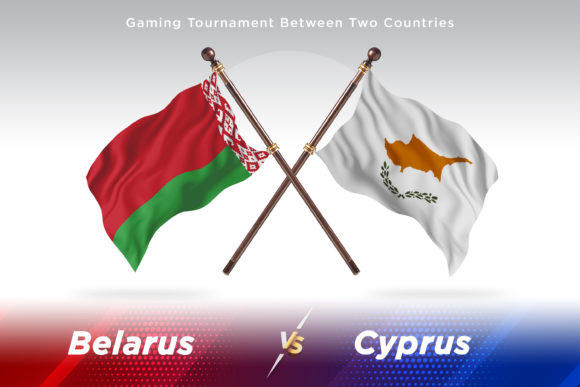
When you look at the flags of Belarus and Cyprus side by side, the visual contrast is immediate. One is a horizontal triband with a distinctive ornamental stripe; the other is a simple field of white and copper featuring a map and olive branches. Yet beneath the surface, both flags carry deep historical and cultural weight. Whether you are a traveler, a student of vexillology, a graphic designer seeking inspiration, or someone simply curious about national symbols, understanding what makes each flag distinct can help you appreciate the stories they tell. This article offers a practical, balanced comparison of the Belarusian and Cypriot flags, exploring their design choices, symbolism, historical context, and the situations where one might be more meaningful than the other.
Design and Color Palette: Two Very Different Approaches
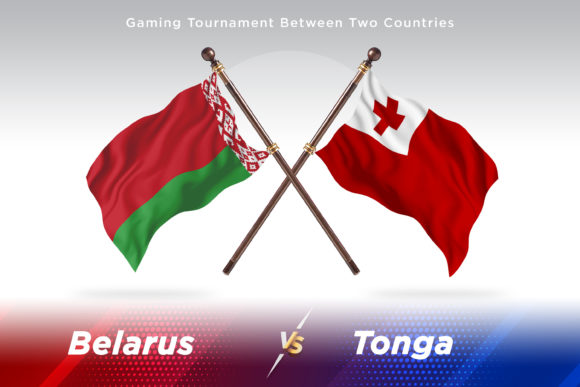
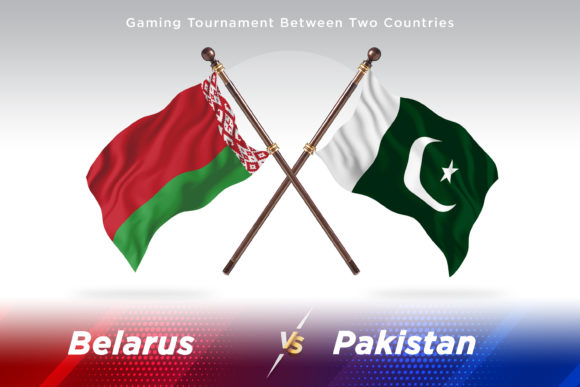
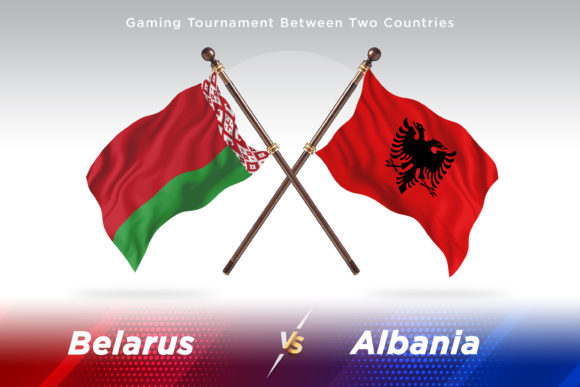
The flag of Belarus, adopted in its current form in 2012 (with earlier versions dating back to 1995), uses a horizontal triband of red over green, with a vertical white-and-red ornament on the hoist side. The red band occupies two‑thirds of the height, the green one‑third. That ornament is a traditional rushnyk pattern, a woven cloth used in Slavic rituals. The overall effect is bold, earth‑toned, and tied to folk heritage.
Cyprus, by contrast, flies a pure white flag with a copper‑colored silhouette of the island at the center, flanked by two green olive branches. The white field symbolizes peace, the copper recalls the island’s ancient name (the land of copper), and the olive branches represent harmony between Greek‑Cypriot and Turkish‑Cypriot communities. The design is intentionally neutral and unifying.
These approaches could hardly be more different. Belarus relies on strong primary colors and a prominent ethnic motif; Cyprus uses minimalism and symbolic abstraction. If you are comparing flags for a design project, the Belarusian flag offers a rich palette and pattern that stands out in a group, while the Cypriot flag works well in contexts where neutrality, peace, and a modern aesthetic are desired.
Color Symbolism
- Belarus: Red traditionally represents the sun, victory, and the nation’s historical struggle; green symbolizes life, forests, and agriculture. The red‑and‑white ornament connects to folk identity and continuity.
- Cyprus: White conveys peace and purity; copper (a shade between orange and brown) ties directly to the island’s natural resources and ancient history. The green olive branches add life and reconciliation.
If you are researching how flags express national values, Belarus leans toward pride, resilience, and tradition, while Cyprus leans toward aspiration, unity, and natural heritage.
Historical Context and Evolution
Belarus’s current flag replaced an earlier white‑red‑white flag used briefly after independence from the Soviet Union. The modern design, with the ornament, was reintroduced under President Lukashenko and has strong ties to the Soviet‑era flag (red over green, but without the ornament). This history makes the flag politically charged: it is seen by some as a symbol of stability and continuity, by others as a reminder of authoritarian rule. The alternative white‑red‑white flag is used by opposition movements. So when you study Belarus Versus Cyprus Two Flags, you encounter a flag that is still contested in its own country.
Cyprus’s flag was established at independence in 1960, under the Zurich and London Agreements. It was deliberately designed to avoid ethnic symbols—no crosses, no crescent, no colors associated with Greece or Turkey. The map of Cyprus and the olive branches were chosen to represent the entire island and a peaceful future. However, because the flag’s symbolism depends on the unity of the island, it has become less universally embraced after the division in 1974. Greek‑Cypriots often display the Greek flag, and Turkish‑Cypriots use the Turkish flag or a separate “TRNC” flag. Therefore, the official Cypriot flag, while beautiful in theory, is not always the first choice for citizens in everyday expression.
For a researcher comparing national symbols, this history is crucial. The Belarusian flag reflects a deliberate return to Soviet‑style imagery with a folk twist; the Cypriot flag reflects a diplomatic compromise that now faces practical limitations.
Strengths of the Belarusian Flag
- Distinctive identity: The ornament makes it instantly recognizable among European flags. No other national flag uses that exact decorative stripe.
- Strong color contrast: Red and green are vibrant and work well in both digital and printed media.
- Cultural depth: The rushnyk pattern gives the flag a link to folk art that many visitors find memorable.
Tradeoffs
- Political connotations: In some contexts, displaying the flag may be interpreted as supporting the current government. This can limit its use in non‑governmental or diaspora settings.
- Darker palette: The deep red can appear somber in certain lighting, especially compared to brighter flags.
Strengths of the Cypriot Flag
- Universality: The design is neutral and peace‑oriented, suitable for international institutions, peacekeeping missions, and cultural events.
- Unique silhouette: Using the map of the country is rare among flags and adds geographic personality.
- Minimalist elegance: The copper and green on white is easy to reproduce and looks modern.
Tradeoffs
- Limited emotional pull: Because the flag avoids any ethnic or religious symbolism, some citizens feel it lacks passion and does not fully represent their identity.
- Practical division: In the northern part of the island, the flag is rarely flown, so its real‑world usage is uneven.
- Color fading: The copper shade can fade or vary significantly between manufacturers, leading to inconsistency.
When Belarus Versus Cyprus Two Flags Fit Best
If you are selecting a flag for a specific purpose—whether for an embassy, a classroom, a travel blog, or a personal collection—the context matters greatly.
Choose the Belarusian flag when:
- You need a flag that represents a strong, distinct Eastern European national identity.
- The setting is cultural, such as a festival featuring Belarusian music or food, where the folk ornament adds authenticity.
- You are studying post‑Soviet symbolism and want an example of continuity with the Soviet era.
- You value high recognizability in a crowd of flags.
Choose the Cypriot flag when:
- Your context emphasizes peace, diplomacy, or reconciliation (e.g., an event about conflict resolution).
- You need a flag that is not associated with any specific ethnic group within the country.
- Minimalist design is important—for example, in a logo or a small icon.
- You want to highlight an island nation’s geography and natural resources.
For a traveler writing a comparison guide, the Belarusian flag might be more interesting to photograph because of its pattern; the Cypriot flag is better for explaining the complexities of a divided island.
Practical Considerations for Display and Use
Flag materials and care are another angle worth considering. The Belarusian flag’s ornament is typically woven or printed, and the red fabric may fade in strong sunlight. If you plan to fly it outdoors, look for UV‑resistant materials. The Cypriot flag, with its large white field, shows dirt and wear more easily, so it needs more frequent cleaning. The copper color can also bleed into the white if poorly dyed. Cost‑wise, simple designs like Cyprus’s are cheaper to manufacture in bulk, while the Belarusian flag requires precise placement of the ornament, which can raise printing costs.
For collectors, both flags offer interesting stories. The Belarusian flag has two coexisting versions (the official and the opposition flag), which adds a layer of complexity. The Cypriot flag is sometimes produced with a slightly different shade of copper or a more stylized map, leading to minor variations that collectors note.
Decision Factors: Which Flag Is Right for Your Purpose?
To make an informed choice when comparing Belarus Versus Cyprus Two Flags, ask yourself:
- What message do I want to convey? Tradition and strength (Belarus) or peace and unity (Cyprus)?
- Who is my audience? If they are familiar with Eastern European politics, the Belarusian flag might spark nuanced discussion. If the audience is international and focused on conflict‑affected regions, the Cypriot flag is more instructive.
- What is the visual environment? In a line of flags, Belarus will stand out because of its pattern; Cyprus might blend into white backgrounds but looks distinctive when flown against blue sky.
- Do I need the flag to represent the entire population? The Cypriot flag was designed for that purpose, but its acceptance is mixed. The Belarusian flag is currently the official symbol, though it is contested by a minority.
In academic terms, comparing these two flags illuminates different answers to the same question: How does a nation represent itself on a 2:3 piece of cloth? Belarus answers with history, color, and folk art; Cyprus answers with geography, neutrality, and aspirational peace. Neither is inherently better, but each suits certain contexts remarkably well.
Ultimately, the best choice depends on your specific need—whether that is starting a conversation about national identity, designing a multicultural display, or simply appreciating the artistry of flags. By understanding both flags deeply, you gain more than a comparison; you gain insight into how countries choose to tell their stories in the most compact symbol of all.