Belarus vs Finland: Two Flags, Two Stories of Identity and Symbolism
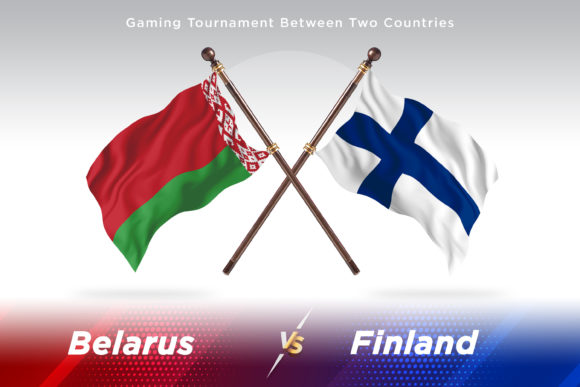
Flags are far more than pieces of fabric fluttering in the wind. They encapsulate the soul of a nation—its history, struggles, values, and aspirations. When we place the flag of Belarus next to the flag of Finland, we see two strikingly different designs that speak volumes about their respective countries. One is a bold tricolor with an intricate ornamental pattern; the other is a clean, minimalist cross on a white field. Yet both carry deep meaning and national pride. In this article, we will explore the origins, symbolism, and modern relevance of the Belarusian and Finnish flags, comparing their design philosophies and what they reveal about each nation's identity.
The Flag of Belarus: A Tapestry of Resilience and Tradition
The current national flag of Belarus was officially adopted on May 14, 1995, following a controversial referendum. It consists of two horizontal stripes—a wide red upper stripe and a narrower green lower stripe—with a vertical white-and-red ornamental pattern (known as the ornament) placed along the hoist side. This design replaced the white-red-white flag that had been used briefly after independence from the Soviet Union, and it consciously echoes the flag of the Byelorussian Soviet Socialist Republic, albeit with the removal of communist symbols.
What the Colors and Patterns Mean
Every element of the Belarusian flag carries intentional symbolism:
- Red: Represents the nation's heroic past, the blood shed for freedom, and the historical victory at the Battle of Grunwald (1410). It also nods to the red banners of the Soviet era, linking modern Belarus to its industrial and wartime heritage.
- Green: Symbolizes the country's lush forests, abundant fields, and agricultural wealth. It also stands for hope, renewal, and the natural environment that Belarusians cherish.
- The Ornament (white and red): This traditional embroidery pattern, known as the Pahonia or simply "the ornament," is a stylized floral-geometric design that dates back centuries. It represents cultural continuity, folk heritage, and the enduring spirit of the Belarusian people. The specific pattern used on the flag was designed in 1917 by Matrona Markovich and is based on a motif found in a traditional Rushnik (ritual towel).
The ornament is not merely decorative—it is a cultural identifier. In rural Belarus, embroidery on clothing and household linens carried protective and symbolic meanings. By placing this pattern on the national flag, Belarus anchors its modern identity in ancient folk traditions.
Historical Context and Controversy
The adoption of the current flag in 1995 was deeply divisive. Supporters argued that it restored continuity with the Soviet-era flag, which they associated with stability, industrial progress, and victory in World War II. Critics, however, saw it as a rejection of the brief democratic period and a return to Soviet symbolism. The alternative white-red-white flag—used by the Belarusian People's Republic in 1918 and briefly after 1991—remains a symbol of opposition and is often displayed at protests. Understanding this tension is essential: the flag of Belarus is not just a national symbol; it is a political statement that reflects the country's ongoing debate over its identity and direction.
The Flag of Finland: Purity, Light, and the Spirit of the North
Finland's flag, known as the Siniristilippu ("Blue Cross Flag"), is a model of Scandinavian simplicity. It features a blue Nordic cross on a white background. The cross extends to the edges of the flag, with the vertical bar shifted slightly toward the hoist side—a design shared by many Nordic nations. The flag was officially adopted in 1918, shortly after Finland gained independence from Russia, though its design had been in use informally since the mid-19th century.
The Meaning Behind the Minimalist Design
Every detail of the Finnish flag is purposeful:
- White: Represents the snow that covers Finland for much of the year, as well as the long, bright summer nights. It also symbolizes purity, clarity, and the stark beauty of the Nordic landscape.
- Blue: Stands for the thousands of lakes that dot Finland—often called "the land of a thousand lakes"—and the sky above. The specific shade of blue, known as "Finland blue," evokes the deep waters of the Baltic Sea and the country's vast forests. It also represents trust, loyalty, and the nation's maritime heritage.
- The Nordic Cross: The cross is a shared symbol among Denmark, Sweden, Norway, Iceland, and Finland, reflecting a common cultural and historical heritage. It emphasizes Finland's place in the Nordic family of nations.
What is remarkable about the Finnish flag is its clarity and restraint. There is no coat of arms, no complex pattern, no extra colors. This minimalism mirrors Finnish design philosophy more broadly—functional, honest, and deeply connected to nature. The flag is instantly recognizable and works beautifully in all contexts, from government buildings to small boats.
A Flag Born from a Competition
The flag's design emerged from a public competition held in the early 20th century. Several proposals were considered, including versions with a red field or a yellow cross. The winning design, by the artist Eero Snellman and the poet Zacharias Topelius, was refined by the heraldist Olof Eriksson. The final version was confirmed by law on May 29, 1918. Interestingly, the flag's proportions and exact shade of blue were specified in detail to ensure consistency. There is also a state flag version that includes the Finnish coat of arms in the center of the cross, used by government institutions and the military.
Side-by-Side Comparison: Design Philosophy and Cultural Messages
When we place the Belarusian and Finnish flags side by side, the differences are immediate—but so are the deeper stories they tell.
Complexity vs. Simplicity
The Belarusian flag is rich in detail, with its three colors and the intricate ornamental band. It demands attention and invites closer inspection. The Finnish flag, by contrast, is stark and immediate. You grasp it in a glance. This contrast mirrors broader cultural tendencies: Belarusian folk art is known for its elaborate embroidery and vivid patterns, while Finnish design prizes clean lines and functional forms. Neither approach is superior; they simply reflect different aesthetic traditions.
Connection to the Land
Both flags draw inspiration from the natural world, but in different ways. The green in the Belarusian flag evokes fields and forests, while the red recalls the earth and the blood of history. The Finnish flag uses white for snow and blue for lakes, giving it a cooler, more elemental feel. Where the Belarusian flag feels grounded and historical, the Finnish flag feels airy and timeless.
Shared Heritage vs. Individual Identity
The Nordic cross on the Finnish flag explicitly links Finland to its Scandinavian neighbors. It says, "We are part of this family." The ornament on the Belarusian flag, on the other hand, is uniquely Belarusian—it does not appear on any other national flag. It asserts a distinct cultural identity, separate from Russia and Poland. This contrast highlights a fundamental difference: Finland's flag emphasizes regional belonging, while Belarus's flag emphasizes national uniqueness.
Modern Usage and Practical Relevance
Flags are not static symbols; they live and breathe in daily life. Here is how the Belarusian and Finnish flags function in modern society.
In Finland: Ubiquitous and Respected
Finns fly their flag with pride on official flag days, such as Independence Day (December 6) and Midsummer, but also on personal occasions like birthdays and weddings. The flag is a common sight on boats, summer cottages, and public buildings. There is a strong culture of flag etiquette—flags are raised at sunrise and lowered at sunset, and they should never touch the ground. The flag is non-political in Finland; it unites rather than divides. Even the state flag with the coat of arms is used with reverence. For most Finns, the flag represents the simple values of honesty, resilience, and love for nature.
In Belarus: A Contested Symbol
In Belarus, the flag is both a symbol of state authority and a subject of political debate. The current flag is flown at government buildings, schools, and official events. It is also used by the Belarusian diaspora and by those who identify with the Soviet-era legacy. However, the white-red-white flag remains a powerful alternative emblem of the democratic opposition. During the 2020 protests, both flags appeared in different contexts, sometimes side by side. This dual use means that the flag of Belarus is unavoidably political—you cannot fly it without taking a stance, whether intended or not. This is a reality that Belarusians live with every day.
Common Misunderstandings Clarified
Several misconceptions arise when discussing these two flags. Let us clear them up:
- "The Belarusian flag is just the old Soviet flag." Not exactly. While it shares the red and green stripes with the Byelorussian SSR flag, the current flag removed the hammer and sickle and replaced them with the ornamental pattern. It is a modified version, not a direct copy.
- "The Finnish flag is the same as Denmark's." The design is similar—the Nordic cross—but the colors and proportions differ. Denmark's flag is red with a white cross; Finland's is white with a blue cross. The cross placement also varies slightly.
- "The ornament on the Belarusian flag has no specific meaning." On the contrary, it is a carefully chosen traditional pattern that represents national folk culture. It was not randomly selected; it has deep roots in rural embroidery traditions.
- "Finland's flag was copied from Sweden." While the Nordic cross design is shared, Finland's flag was developed through an independent design process and reflects Finnish identity specifically. The blue and white colors are uniquely Finnish.
Broader Lessons: What Flags Teach Us About Nations
Comparing the flags of Belarus and Finland reveals that national symbols are never arbitrary. They are products of history, culture, and political struggle. The Belarusian flag tells a story of continuity and tradition, but also of contestation and unresolved identity. The Finnish flag tells a story of consensus, clarity, and a confident place within a broader region.
For readers interested in vexillology—the study of flags—these two examples offer a wonderful case study in how design choices reflect deeper realities. The use of a traditional pattern versus a geometric cross; the choice of warm versus cool colors; the inclusion or exclusion of political symbols—all these elements shape how citizens and outsiders perceive a nation.
Practical Takeaways for Travelers and Learners
If you are traveling to Belarus or Finland, understanding the flags will deepen your appreciation of each country:
- In Finland, you will see the blue cross everywhere—on government buildings, ferries, and even on birthday cakes. Knowing its meaning will help you connect with the Finnish sense of calm and national pride.
- In Belarus, being aware of the flag's dual symbolism will help you navigate social and political contexts with sensitivity. The flag is not just a decoration; it is a conversation starter and sometimes a source of tension.
Both countries are proud of their flags, even if that pride takes different forms. The Belarusian ornamental pattern might inspire you to explore Slavic embroidery, while the Finnish minimalist design might lead you to appreciate Nordic aesthetics.
Conclusion
The flags of Belarus and Finland stand at opposite ends of the design spectrum—one ornate and layered, the other clean and stark. Yet both succeed in their primary mission: to represent their nations to the world. The Belarusian flag weaves together history, folk art, and political identity into a tapestry that is both beautiful and contested. The Finnish flag captures the essence of a northern people—honest, unpretentious, and deeply connected to their natural surroundings.
By understanding these two flags, we gain a window into the hearts of two nations. We see how history shapes design, how culture influences color, and how a simple piece of cloth can carry the weight of collective memory. Whether you prefer the bold red and green of Belarus or the serene blue and white of Finland, there is no denying the power of a well-made flag to inspire, unite, and tell a story. Next time you see either flag flying, you will know that it is not just fabric—it is a nation's soul on display.